
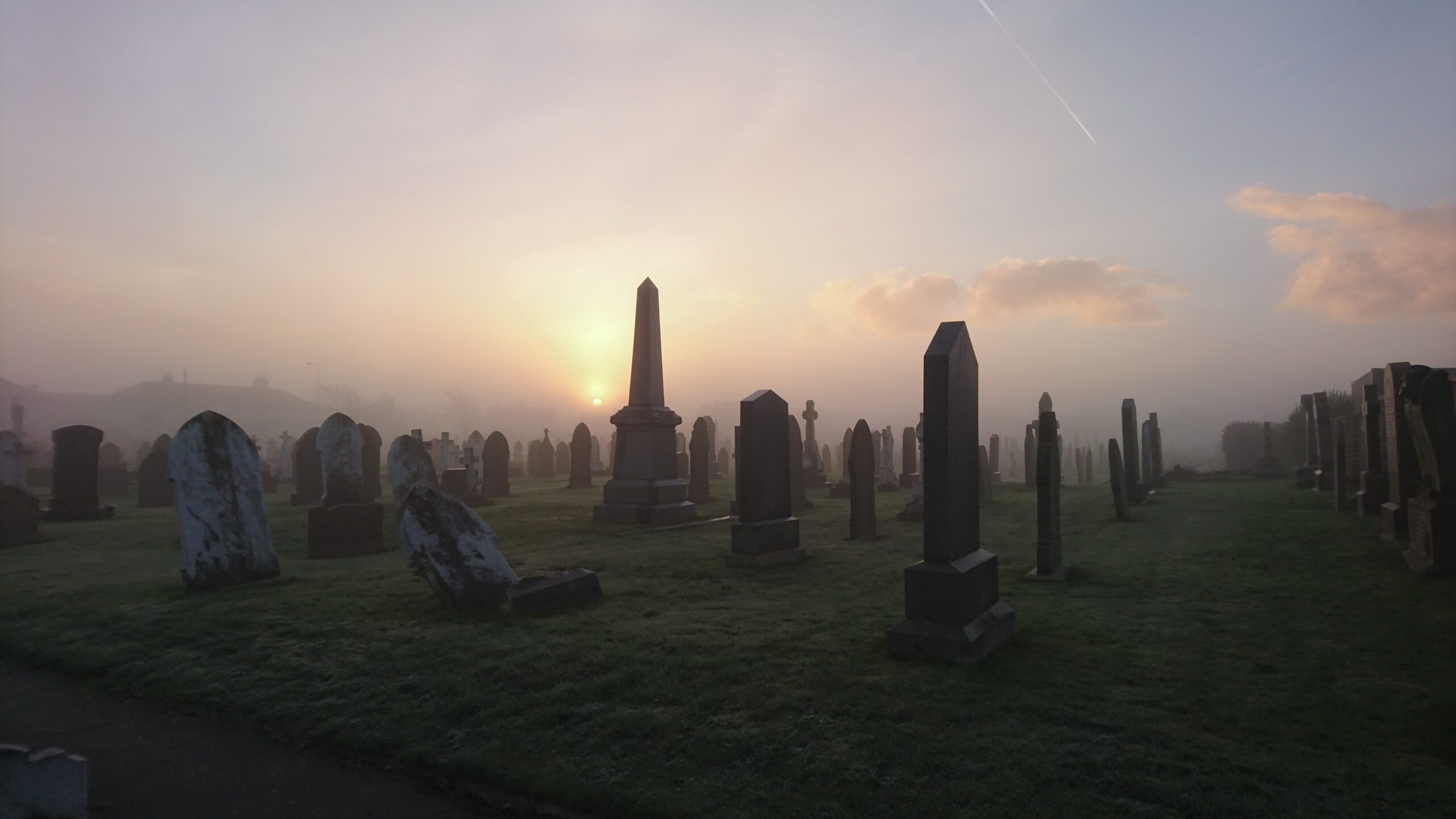
The cemeteries of Wyre are peaceful burial sites serving the local community. They offer opportunity for those that have lost loved ones to pay their respects in tranquil and beautiful surroundings. The cemeteries are also interesting historic sites. Wyre Council manages 4 cemeteries, 11 hectares in total. The closed churchyard at St.Chads Church, 2 at Poulton, Preesall and Fleetwood being the largest and oldest as it was opened in 1840 and covers 17.4 acres.
There have been over 40,000 interment within the 4 cemeteries and approximately 12,000 memorials. Fleetwood itself, as the largest, has around 10,000 memorials and approximately 29,000 interments. Fleetwood Cemetery is also classed as a Biological Heritage Site due to the rare sightings of the purple ramping fumitory, a very rare plant.
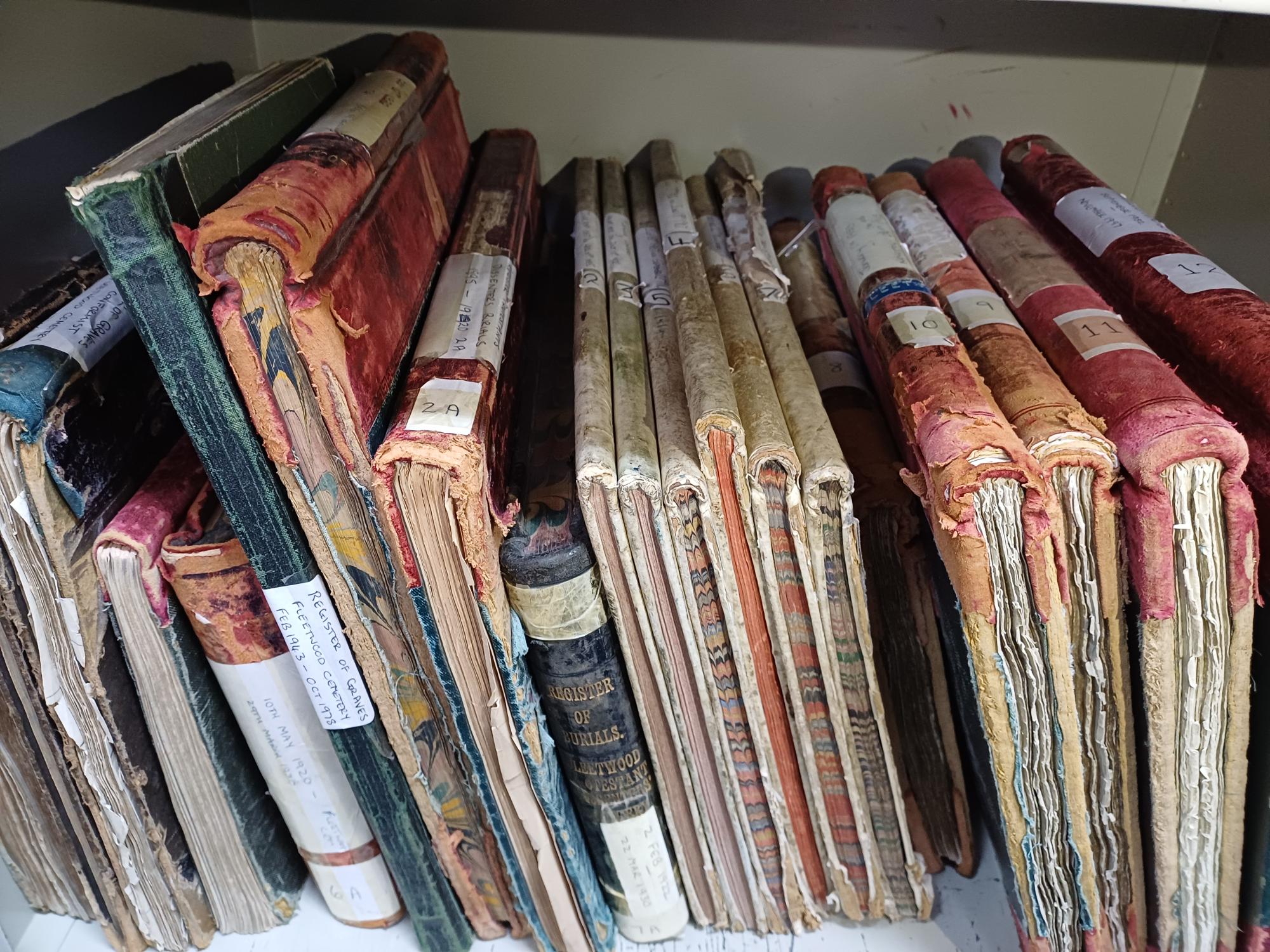
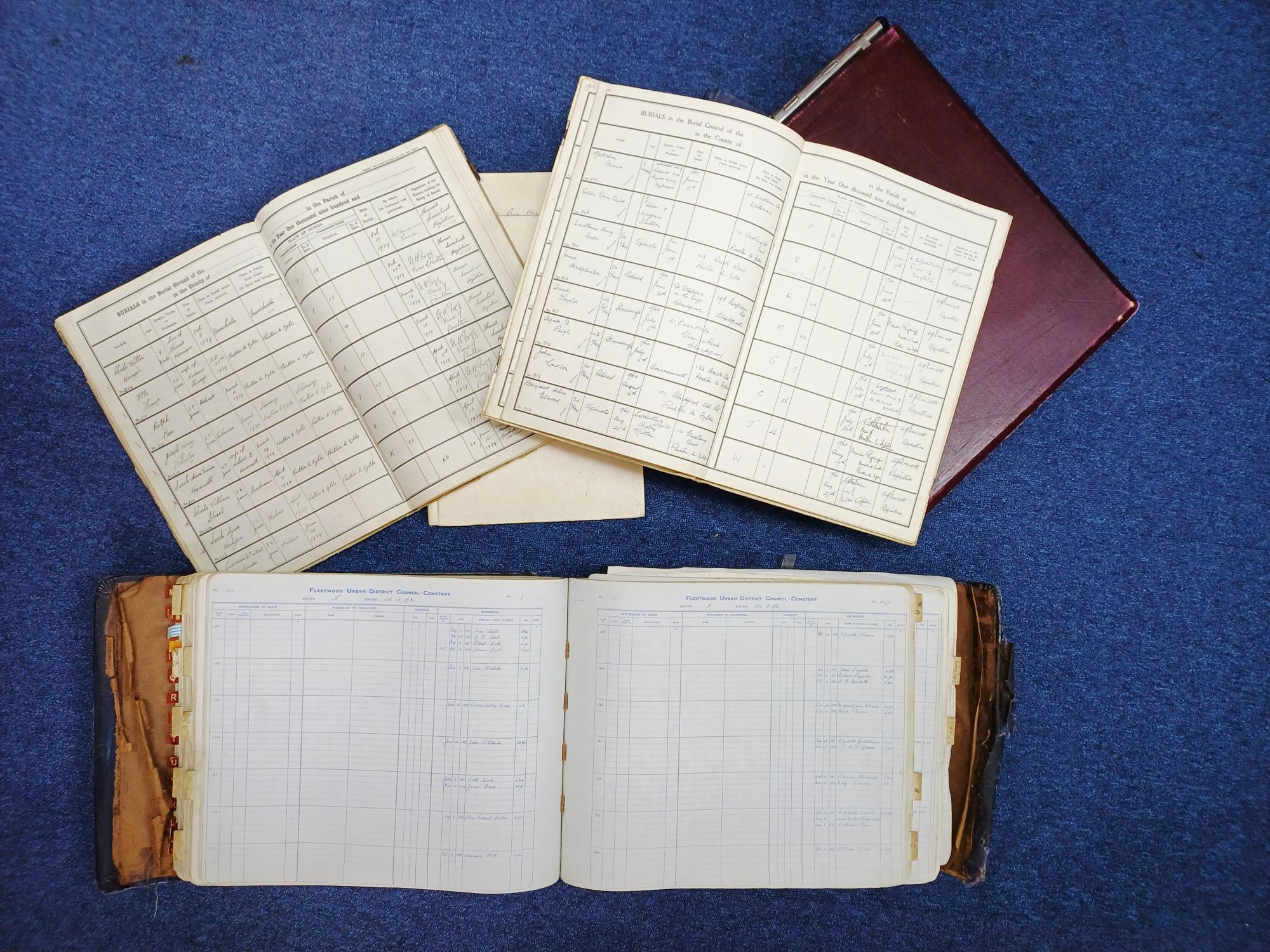
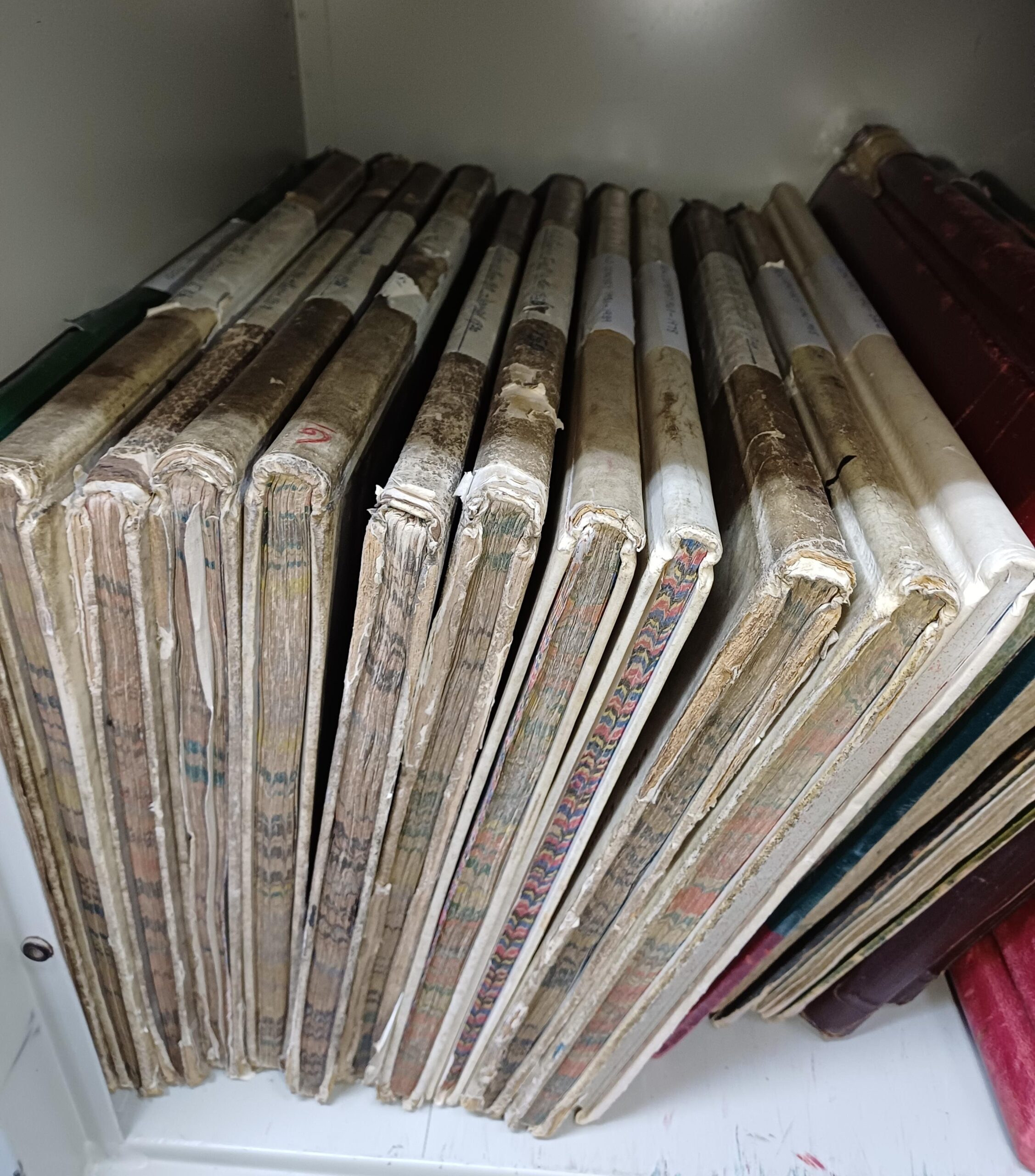
Cemetery Registers dating back to 1881
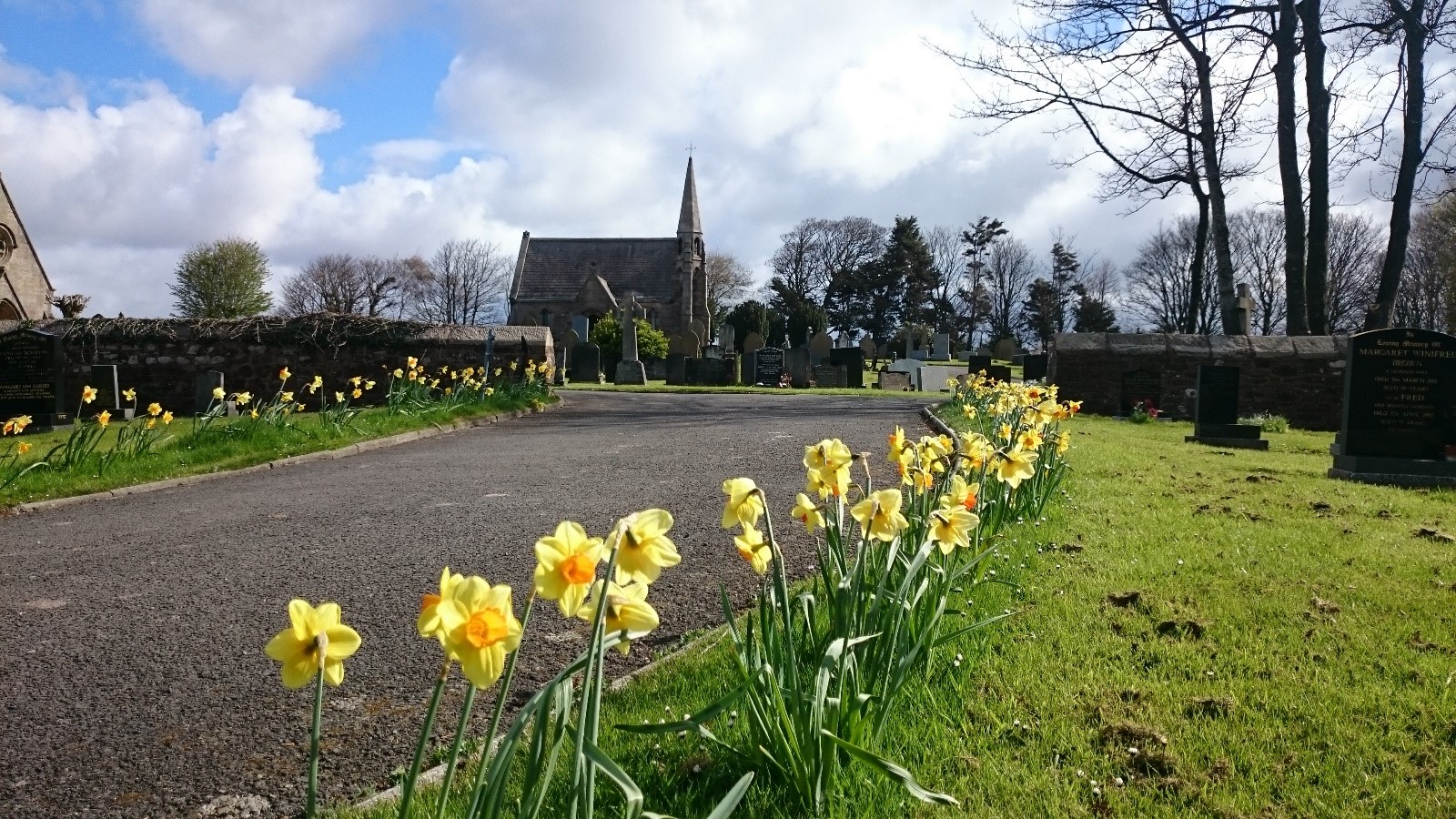
Fleetwood was planned by local landowner and owner of Rossall Hall, Sir Peter Hesketh-Fleetwood who was High Sheriff of Lancashire and MP for Preston in 1947. He employed renowned architect Decimus Burton to lay out the town and design many of the buildings and over a 20 year period they put their plan into action. Sir Peter created a port to attempt to rival Liverpool and he financed a large proportion of the railway, harbour, early buildings and the towns’ facilities. He was given the title Baronet in 1838 by Queen Victoria on her Coronation Honours List. Sir Peter married Eliza Debonnaire in 1826 but sad times followed when she died in 1933. they had 3 children whom died in infancy. Daughter Anna Maria whom died in 1838 age 11 from TB is in a glass coffin in the family vault at St. Chads Church Poulton. He remarried Virginia Marie in 1837.
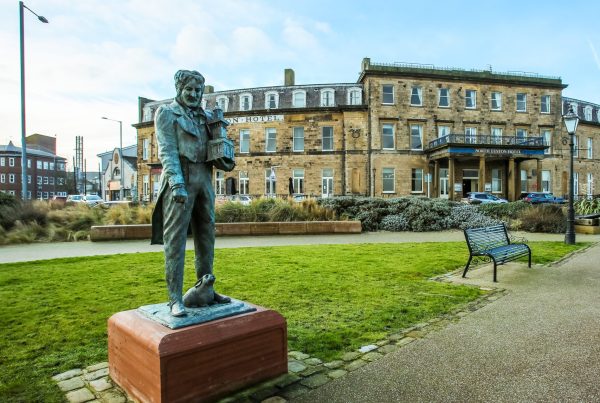
Sir Peter himself passed away in Piccadilly London in 1866 aged 64 years and is buried in Kensal Green Cemetery. The statue in Euston Gardens is of Sir Peter Hesketh.
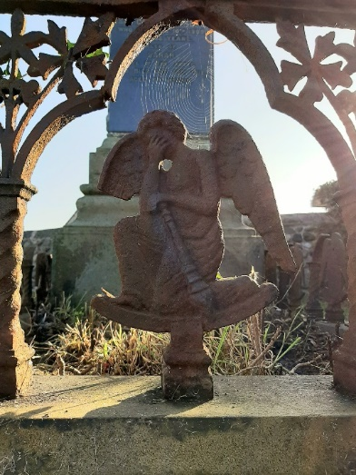
Before Fleetwood Cemetery was allocated for burials it was a Gunnery rifle range and even when the cemetery opened the first burial in 1841, the areas surrounding the graves were still being used for practice. The War Department donated the land and slowly the Cemetery expanded. The Gunnery rifle range extended as far a Fleetwood Golf Course where moving targets were situated.
The road adjoining Fleetwood Cemetery was originally called Cemetery Lane and was widened and developed in 1926 to form Beach Road. The area opposite the Cemetery up to Queens Pub is where the Hutman Barracks and ammunition stores were built. 1830 marked the end of Fleetwood as a garrison town and some more of the area was claimed for an extension to the cemetery.
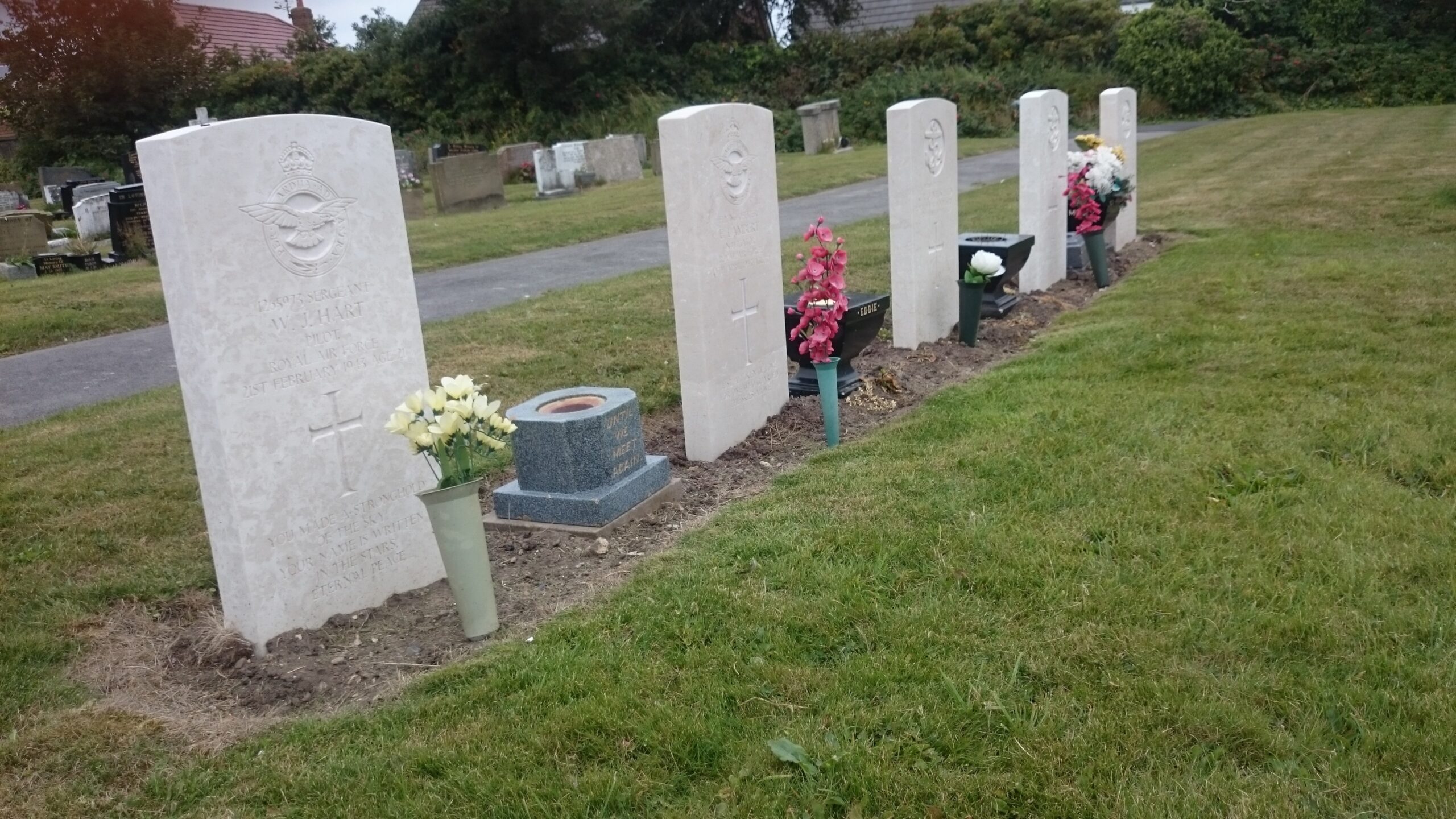
There are in total 137 war graves, 114 within Fleetwood Cemetery and a mixture of family and war grave headstones. All of the war memorials are maintained by the Commonwealth War Graves Commission whom undertake regular inspections.
The land for Fleetwood cemetery was occupied by the military from 1860, despite the first burial taking place in September 1841. The Fleetwood School of Musketry based at Euston Barracks used the land for rifle target practice until 1889, when it was handed over to the town to extend the cemetery use for burial.
St Chads Churchyard in Poulton-le-Fylde is also a historic graveyard adjoining St.Chads Church. To the south-east of the church sits the 1741 gravestone of a wealthy local merchant named Edward Sherdley. It features carvings of a skull, crossbones, and an hourglass, leading locals to nickname it the “pirate’s grave”.
In 1973, many old gravestones were laid flat to create the walking paths that wind through the churchyard today.
Full traditional burials stopped on June 30, 1884, after the new Poulton Cemetery opened on Moorland Road. However, cremated ashes have been placed in a designated western section since the 1950s.
The St Chads Churchyard grounds are famous for their vibrant displays of crocuses and seasonal wildflowers blooming across the grass in early spring.
Only the two circular stone steps remain of an ancient boundary cross that once marked the edge of Poulton and served as a resting spot for people carrying loved ones from afar for burial. An eight-sided pillar (used as a sundial until the early 1900s) later replaced the cross on those steps.
Moorland Road Cemetery in Poulton-le-Fylde was established and consecrated in 1883–1884 by the local Burial Board and the Bishop of Manchester. It was designed by Manchester architect Fred Richard Lees Edwards, featuring early Gothic-style red stock brick buildings with stone dressings. Built with a single non-denominational chapel intended for all religious groups, featuring a tower entrance and a pitch pine screen separating the mortuary. Included an adjoining registrar’s office and accommodation for the sexton within the entrance lodge. The chapel was demolished and a columbarium wall for ashes built in 1973. Known locally as Poulton Old Cemetery (opening around 1895 for comprehensive records, though consecrated earlier in 1884), it holds thousands of historic local interments.
Many of the individuals buried here represent the backbone of the Fylde coast’s development. You can find headstones belonging to early Blackpool hoteliers and pioneers who chose the quieter countryside of Poulton for their retirement and final resting places. Maritime workers and fishermen from nearby Fleetwood, reflecting the region’s deep connection to the Irish Sea trawling industry. The older sections of the cemetery feature excellent examples of late Victorian and Edwardian funerary art. The headstones showcase intricate stonemasonry, including classic symbols of the era such as broken pillars (symbolizing a life cut short), anchor motifs (representing hope or a maritime life), and draped urns.
Poulton New Cemetery was established in 1929 and is located on Garstang Road East in Poulton-le-Fylde, Lancashire, serves as a peaceful resting place rich with local heritage. While it operates primarily as a quiet local burial ground, it holds several compelling connections to major historical events and regional history. The cemetery contains official Commonwealth War Graves from both the First and Second World Wars. It contains the graves of several service members who died of wounds or disease back home in the UK, away from the front lines. The cemetery holds the remains of airmen and soldiers, some of whom were stationed at nearby local military bases like RAF Squires Gate (now Blackpool Airport) or local training camps.
Before the creation of the New Cemetery, the primary burial site for the area was the historic St. Chad’s Churchyard in the centre of Poulton. By the late 19th and early 20th centuries, St. Chad’s was rapidly running out of space due to population growth. The establishment of the “New” Cemetery marked a major civic transition, moving burials away from the ancient churchyard to a modern, structured municipal space.
Preesall Cemetery features a variety of memorials and gravestones reflecting the area’s history. The active site includes traditional burial graves, cremated remains plots, scatter gardens of remembrance, and memorial plaques. The cemetery provides a serene environment for quiet reflection and remembrance. It holds cultural and historical significance, representing the heritage of Preesall and its residents.
Opened in 1856 to help alleviate burial space pressures on local churchyards, such as St. James’ Church in Stalmine. Local historical research suggests that Cemetery Lane itself may have originally been known as the ancient “Kirkgate” before the cemetery was built. It contains over 3,000 recorded burials reflecting the local history.
Explore more Historic Building and Parks in Wyre
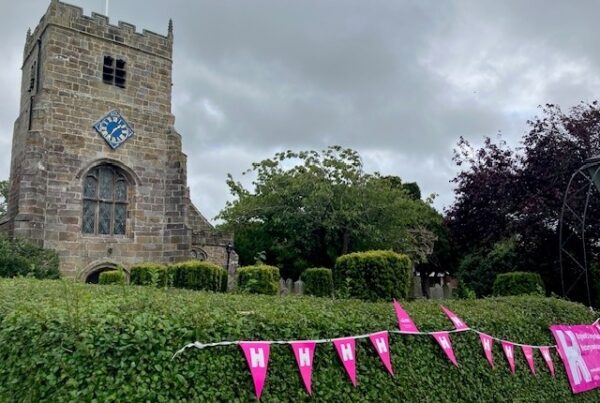
St. Michael’s on Wyre Church
St. Michael’s on Wyre Church
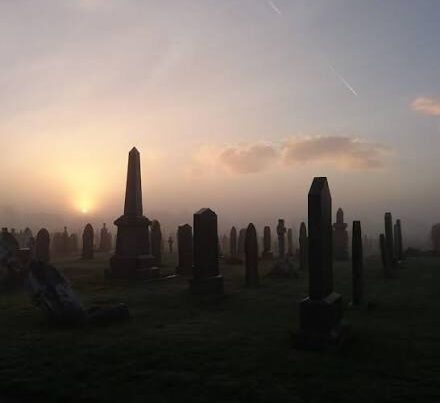
The Cemeteries of Wyre
The Cemeteries of Wyre
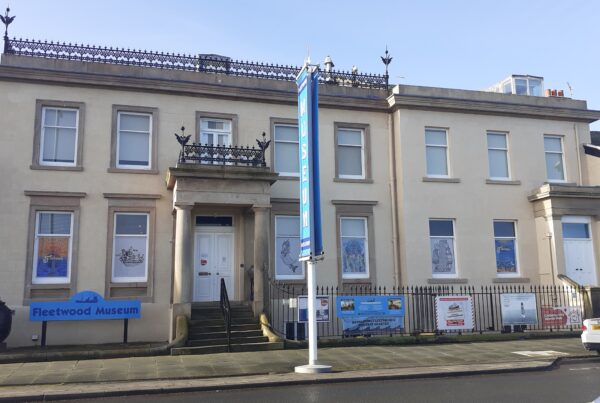
Fleetwood Museum
Fleetwood Museum
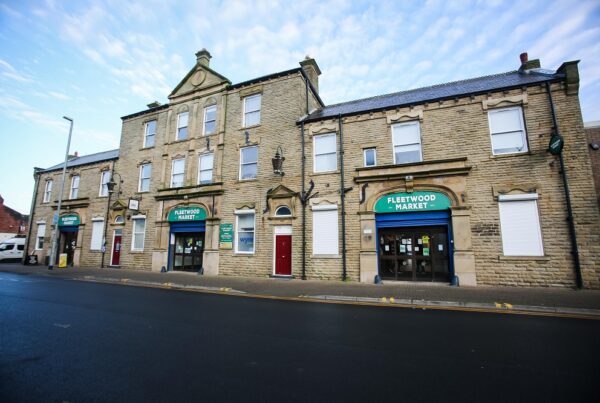
Historic Fleetwood Market
Historic Fleetwood Market
Garstang Arts Centre
Garstang Arts Centre
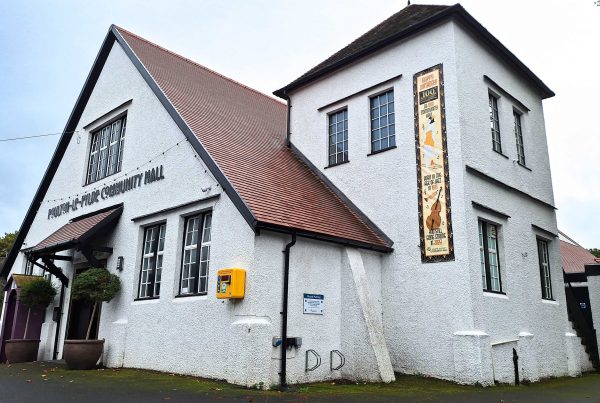
Poulton Community Hall
Poulton Community Hall
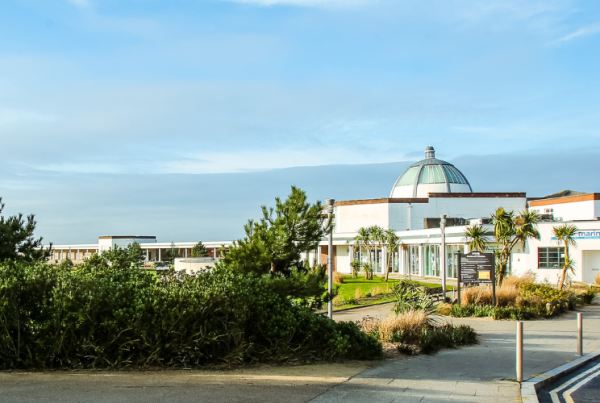
Marine Hall, Fleetwood
Marine Hall, Fleetwood
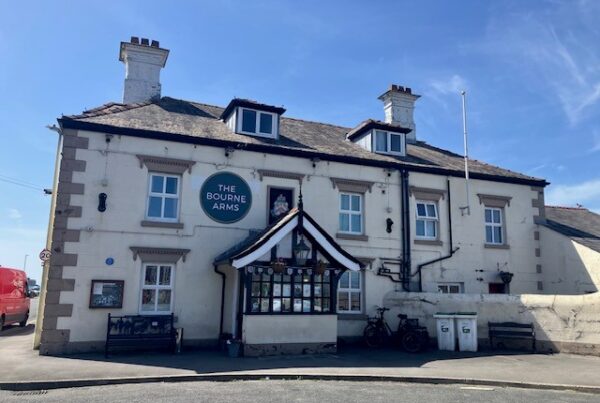
The Bourne Arms, Knott End-on-Sea
The Bourne Arms, Knott End-on-Sea
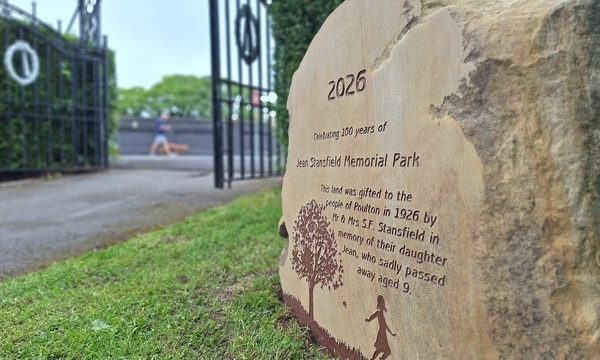
Jean Stansfield Memorial and Vicarage Park
Jean Stansfield Memorial and Vicarage Park
Euston Gardens and Park
Euston Gardens and Park
Memorial Park Fleetwood
Memorial Park Fleetwood
Marsh Mill