
Knott End, Preesall and the lower end of Pilling Marsh form the township of Preesall with Hackensall situated on the east bank of the River Wyre where the river ends its journey from the Forest of Bowland to the sea at Morecambe Bay.
Its coastal charm is deeply connected to its historical ferry to Fleetwood, a scenic coastal path, and its artistic legacy, famously visited and painted by L.S. Lowry in the 1950s with his painting The Jetty at Knott End. To commemorate this, visitors can see a stainless steel statue of Lowry and his dog, based on his Matchstick Man figures which stands near the Ferry Slipway.
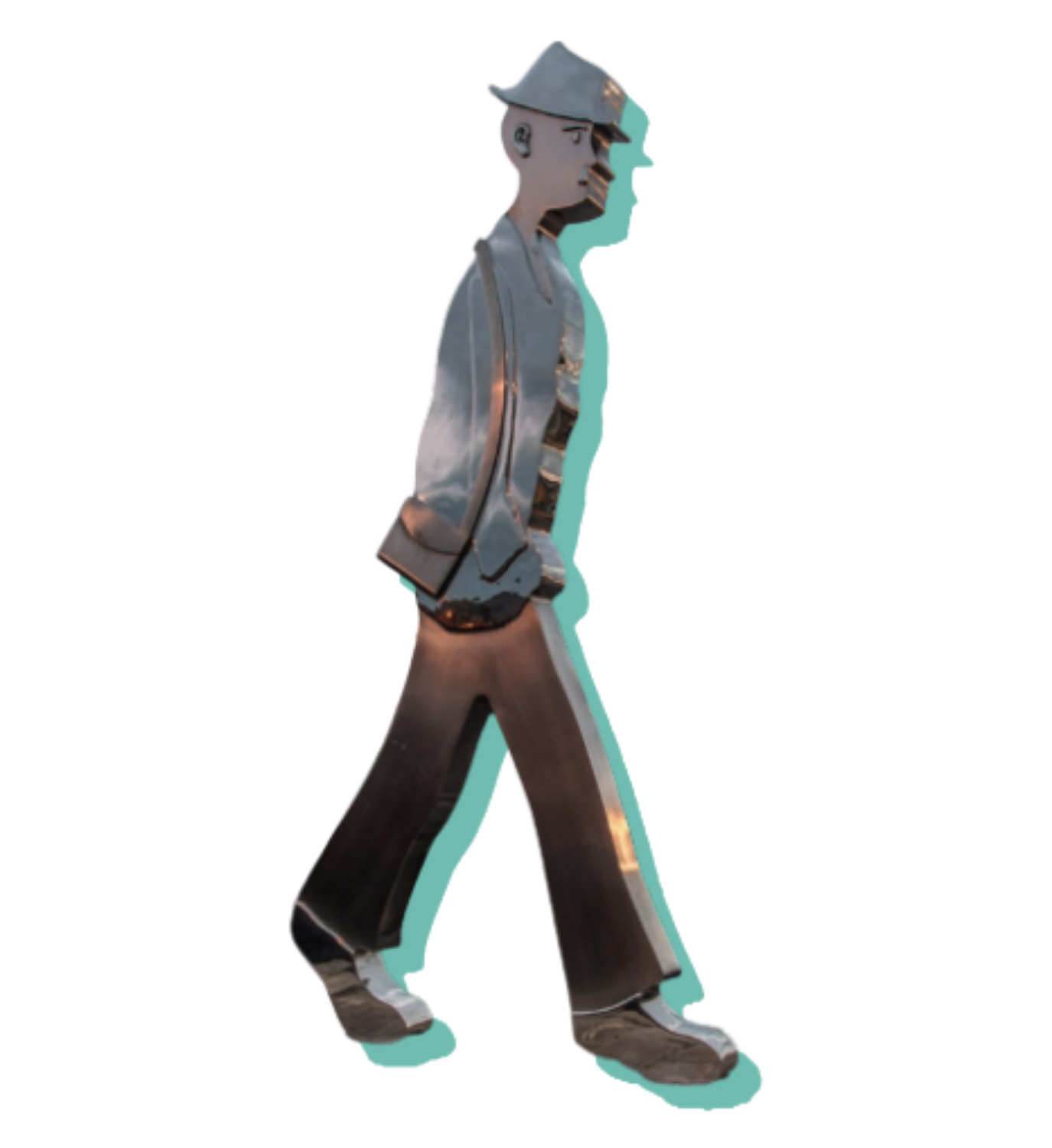
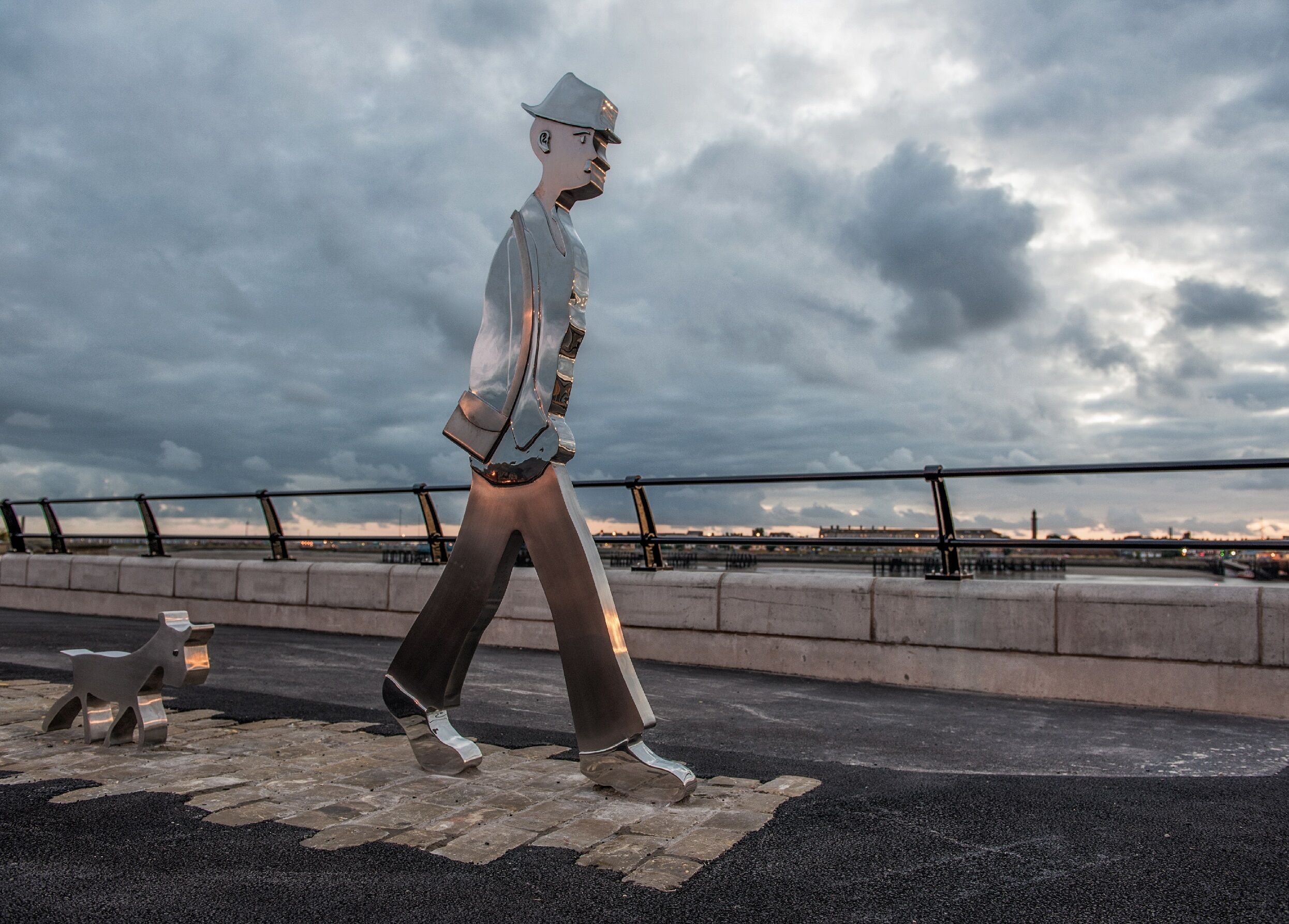
Photo credit: A Carr
The area boasts a rich heritage tied to Bronze Age, Roman and Norse activity. The Romans are known to have passed through, as Roman coins have been found on and around Preesall Hill. The name “Knott” is thought to relate to either Norse seafarers using knotty ropes to navigate the Wyre Estuary or stone “knotts” (mounds) in the riverbed. A Viking/Norse warrior chieftain named Haakon is also believed to have come ashore in the river estuary and settled in the area, thereby giving the name of Hackensall. Preesall is mentioned in the Domesday Book compiled in 1086.
Although, another theory regarding the town’s name is that it is derived from the “Knot” (Calidris canutus), a seabird species that flocks along the local coast.
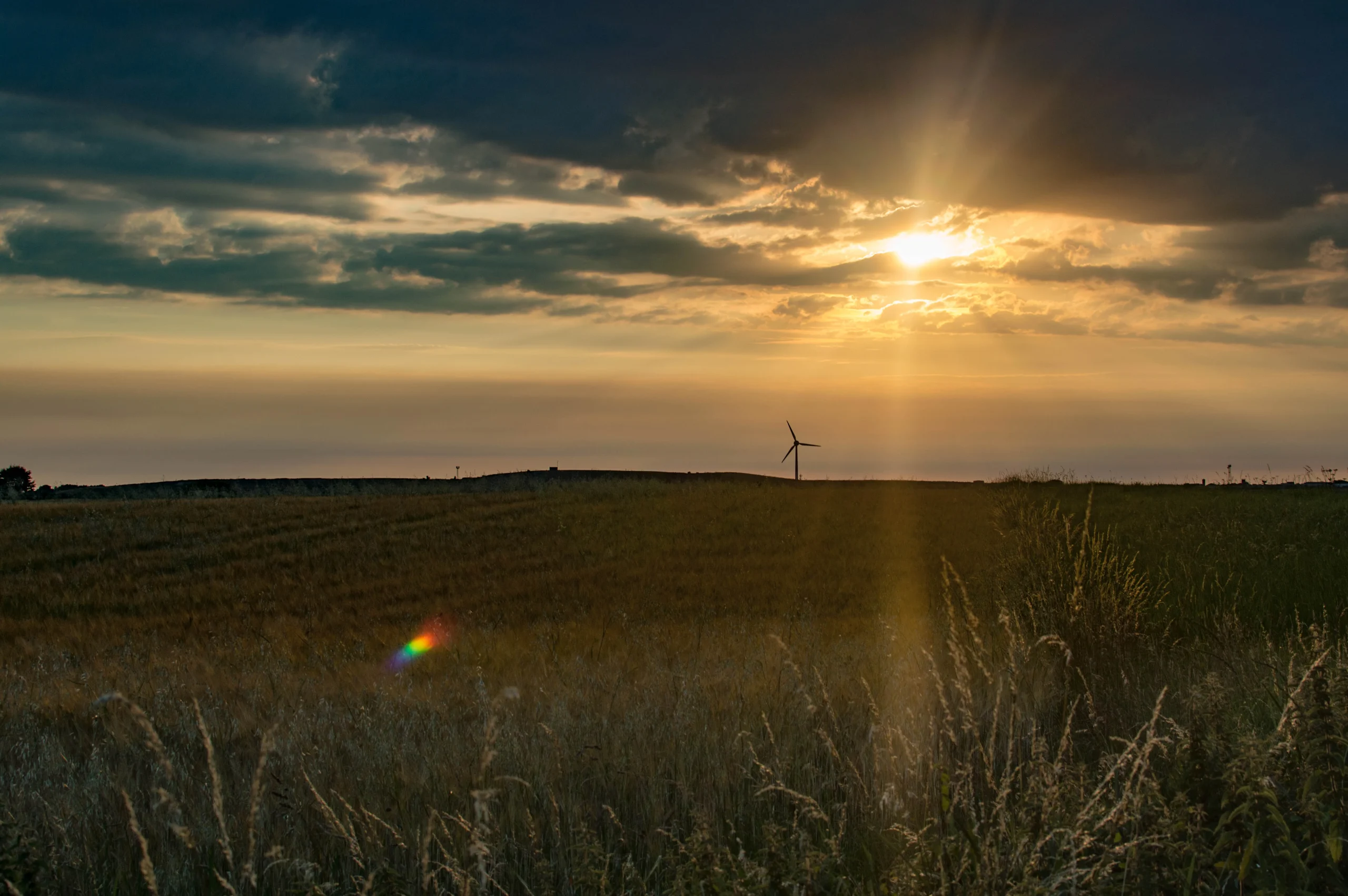
Photo credit: Wyre Council
The longstanding ferry service connecting Knott End to Fleetwood is a significant part of its heritage, providing a direct link between the two communities for over a century. The Knott End to Fleetwood Ferry has operated since 1841, is a historic Lancashire estuary service and a vital link across the River Wyre, replacing a 12-mile road trip. Founded and operated by John Croft in 1841 using small sailing and rowing boats to connect commuters, farmers, livestock and shoppers.
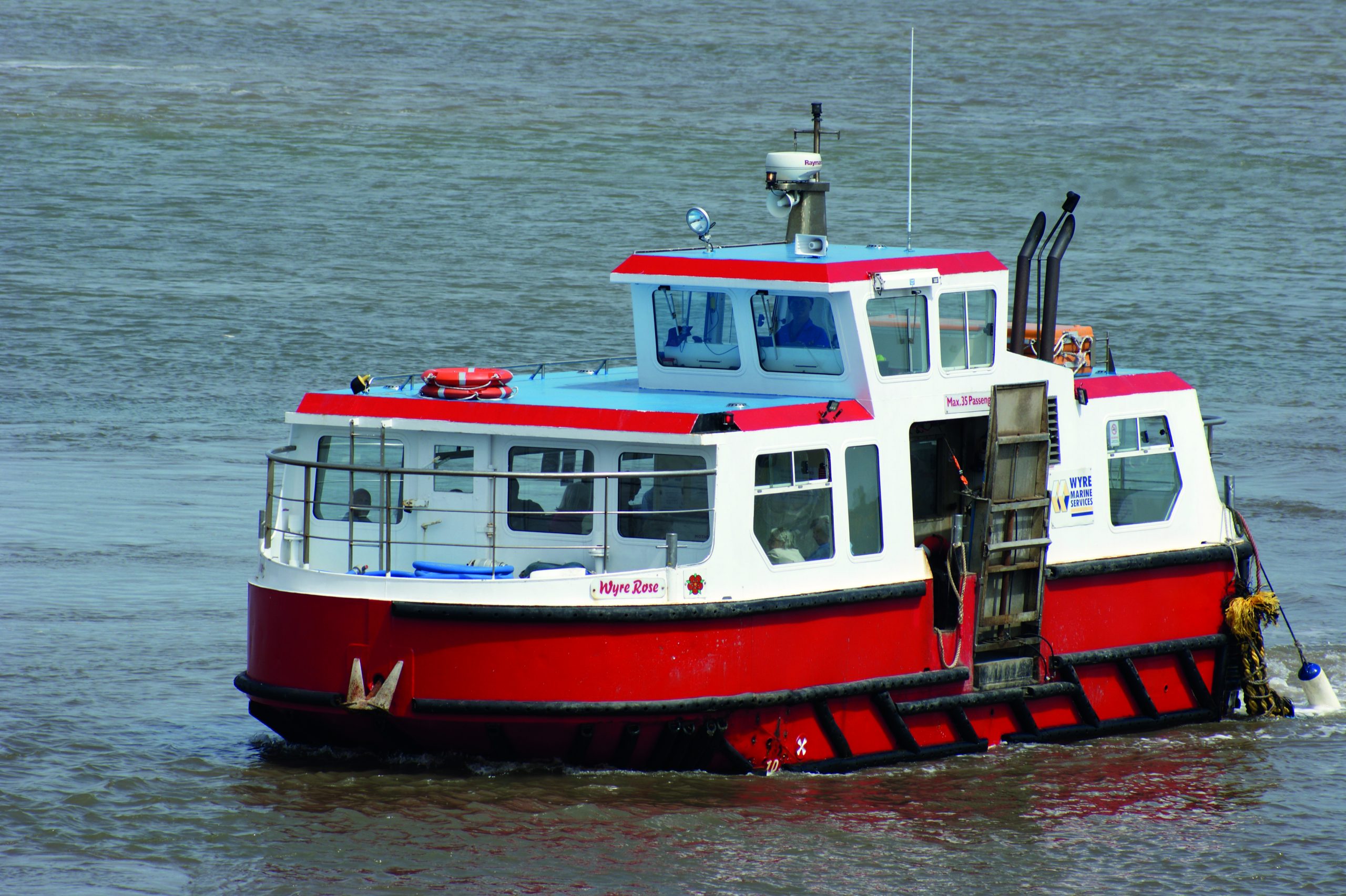

Photo credit: Wyre Council
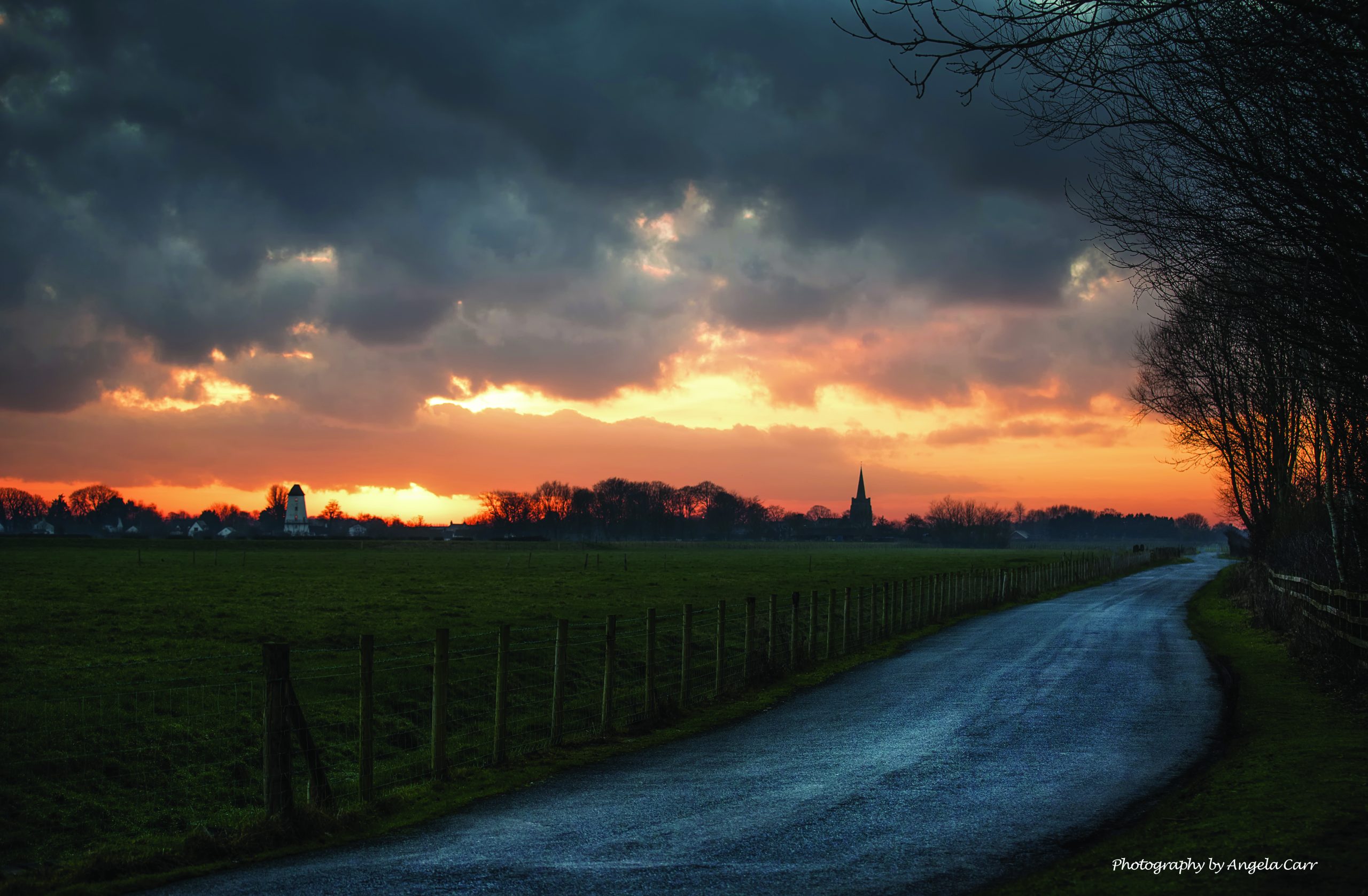
Photo credit: A Carr
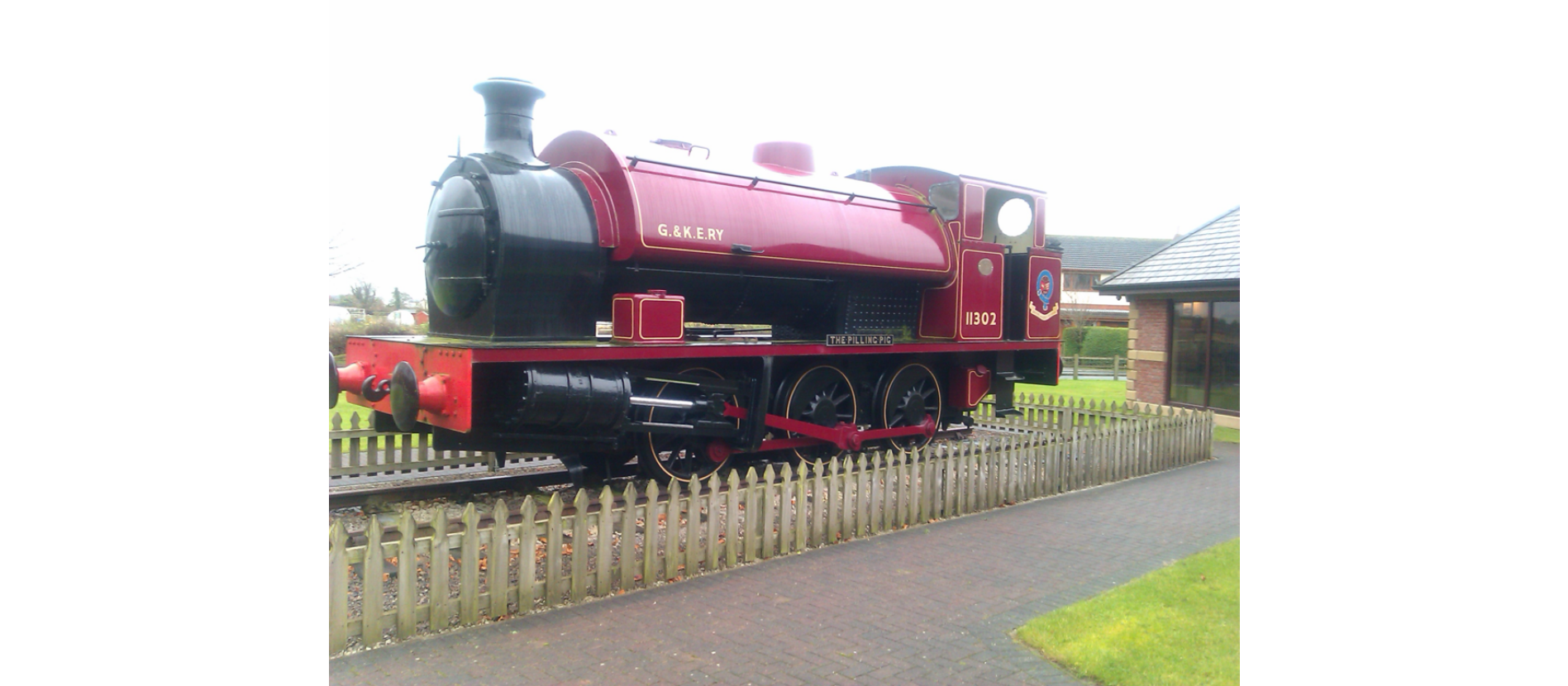
Industry came to Preesall and Knott End in 1872 when rock salt was found in quantity, and serious exploitation began in 1875. By 1906 production peaked at 140,000 tons, making Preesall the biggest salt producer in Britain. Extraction continued until 1920 when problems began to occur with water leaking into the workings and the mines were abandoned in 1930. Four years later a five-acre expanse of ground vanished overnight into an underground reservoir of brine.
The Garstang and Knott End Railway was a railway line between Garstang and Pilling. It was built by local agricultural interests to develop unproductive land. It had been intended to continue to Knott End in 1908. When salt extraction became a dominant industry the railway carried some remarkable tonnages of salt outward and coal inward for power. The passenger service was discontinued in 1930 and the line closed completely in 1965. The ‘Pilling Pig Engine’ can still be seen when visiting the village. You can walk along the old track bed, starting at the bottom of Hackensall Road popping out near the Black Bull Pub Preesall.
Explore items relating to Knott End-on-Sea and Preesall from the collection
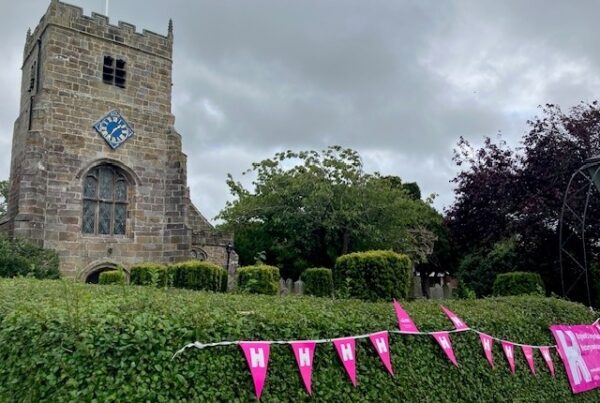
St. Michael’s on Wyre Church
St. Michael’s on Wyre Church
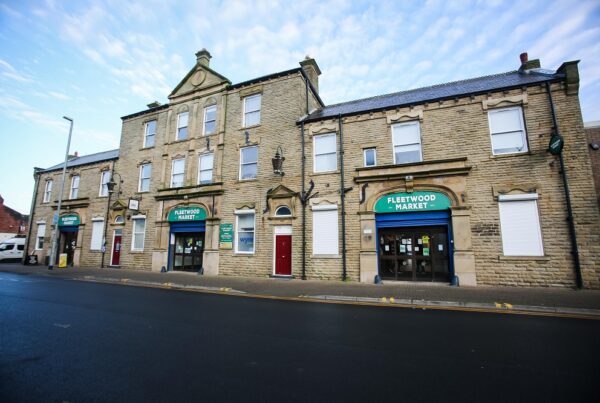
Historic Fleetwood Market
Historic Fleetwood Market
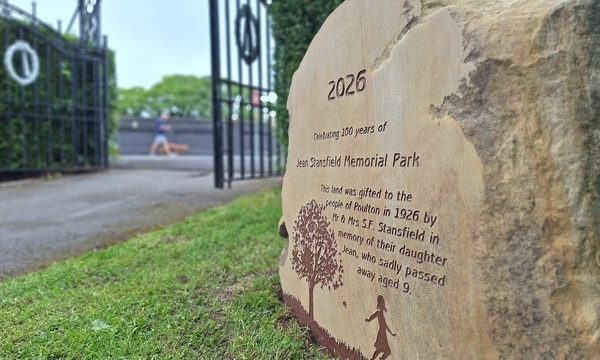
Jean Stansfield Memorial and Vicarage Park
Jean Stansfield Memorial and Vicarage Park
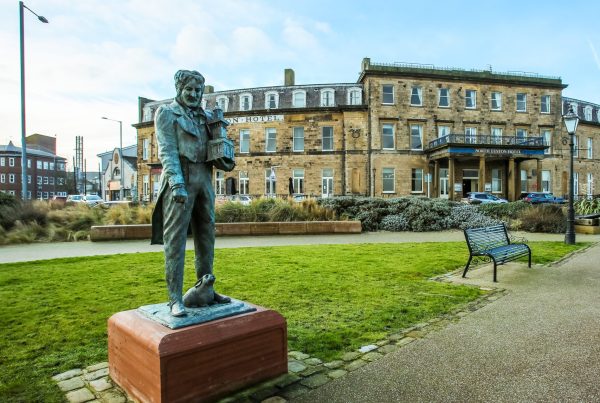
Euston Gardens and Park
Euston Gardens and Park
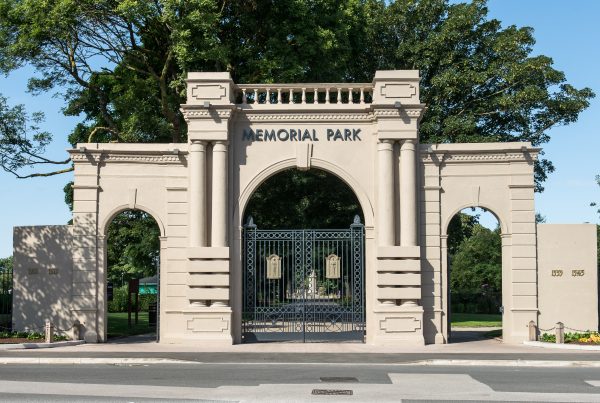
Memorial Park Fleetwood
Memorial Park Fleetwood
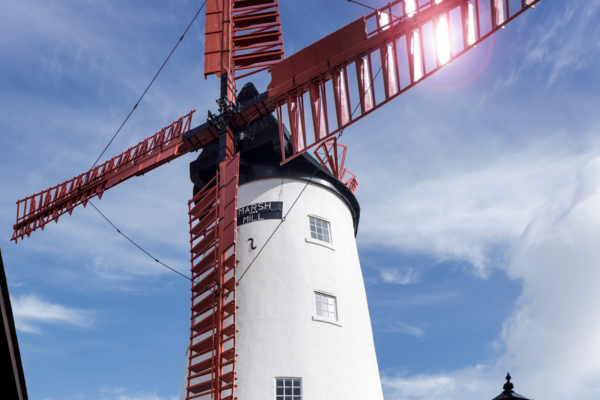
Marsh Mill
Marsh Mill
Wyre Council
Civic Centre, Breck Road, Poulton-le-Fylde, Lancashire, FY6 7PU
Email:
heritage@wyre.gov.uk