
Marsh Mill, Thornton, was constructed in 1794 during the reign of George III and is a Grade II* listed tower windmill, one of the best in the UK , with working machinery. It stands at 70ft high, also making it one of the tallest windmills in the UK. Marsh Mill is currently closed to the public, but you can see a tour of Marsh Mill and its machinery by taking a look at Heritage Wyre – YouTube, and you can follow it on its Facebook page.
It is a good example of a complete English windmill and has been designated a Grade II* listed building.
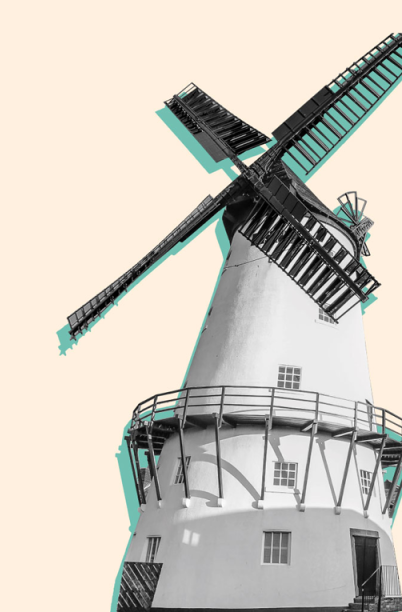
Click and Drag to Explore Marsh Mill
Marsh Mill was commissioned by local landowner Bold Fleetwood Hesketh of Rossall Hall and built in 1794 by Fylde millwright Ralph Slater. It was named after the marshy area in the north Fylde that was drained by Hesketh for the mill’s construction. Slater was a well-known millwright in the area; he also built mills at Pilling and Clifton. The mill was initially used to grind different grades of flour. From the early 19th century, it was used to grind meal for farm animal feed. In the 19th century, the original chain and wheel winding gear was replaced with a four-bladed fantail. The original common sails were replaced with patent sails in 1896. The mill stopped working in the 1920s. From 1928 to 1935, Marsh Mill functioned as a café. In 1930, two women who intended to buy the mill fell and died while inspecting it after the fantail staging collapsed while they stood on it.
“Finest windmill in North West England”
It was designated a Grade II* listed building on 24 March 1950. The Grade II* designation—the second highest of the three grades—is for “particularly important buildings of more than special interest”. Beginning in 1965, a 20-year restoration took place by the Marsh Mill Preservation Society. Further restoration was completed in 1990, bringing the machinery to full working order, further restoration took place in 2023 and again in 2025. It has been described as the “best preserved” and “finest” windmill in North West England. English Heritage have called it “an exceptionally complete example of a tower windmill in a national context”.
In 1999 Wyre Council leased the mill for a 25-year period from Melrose Development Services during which time it was a visitor attraction and events space, tours were delivered to the top of the Mill. In 2025 Melrose took over the lease from Wyre Council.
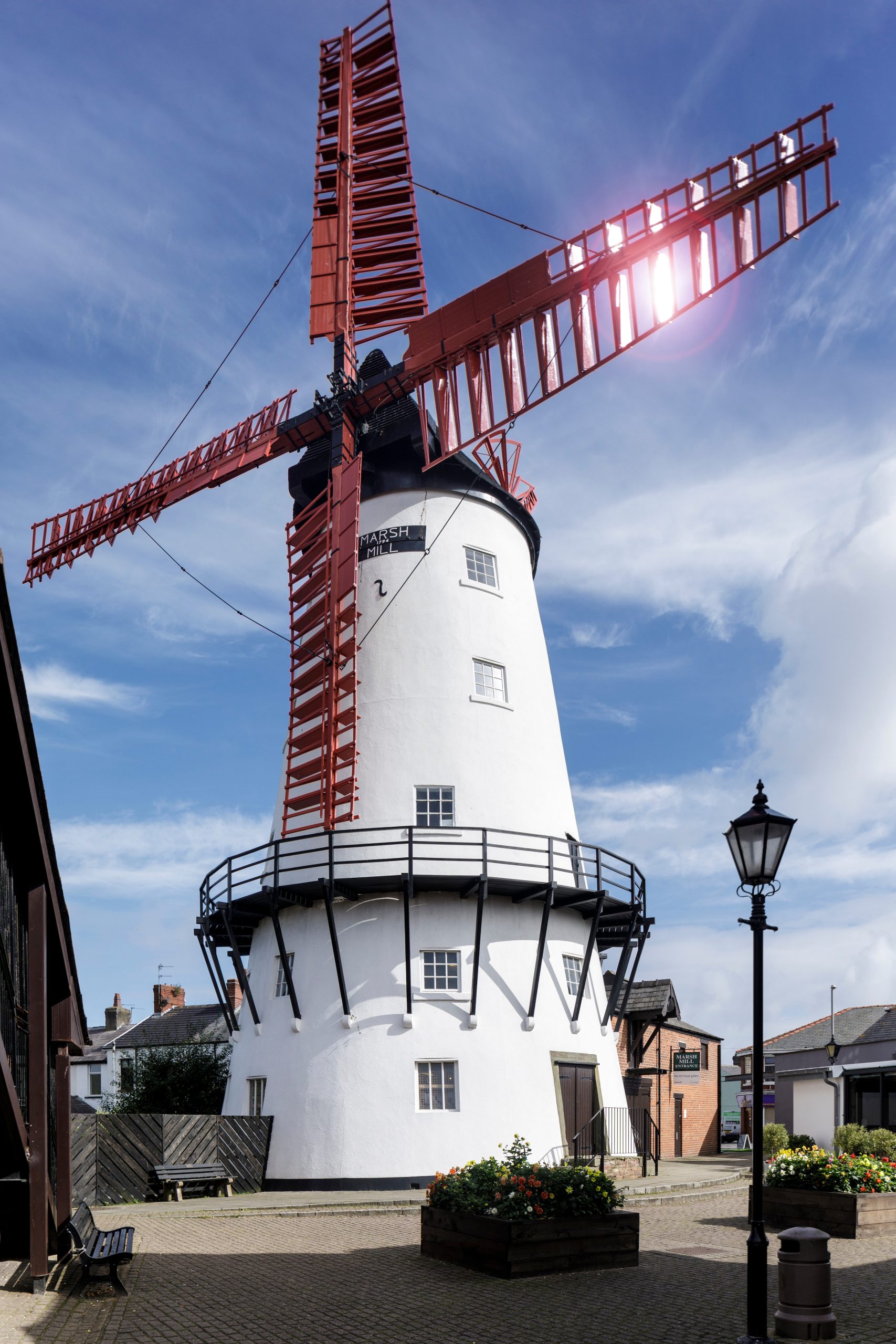
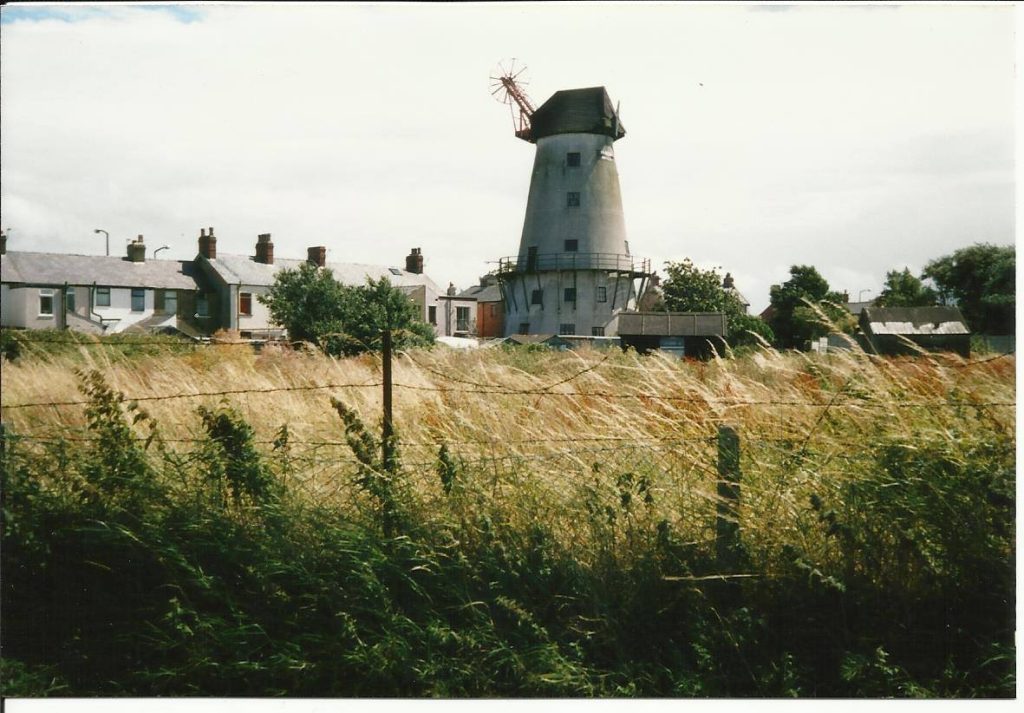
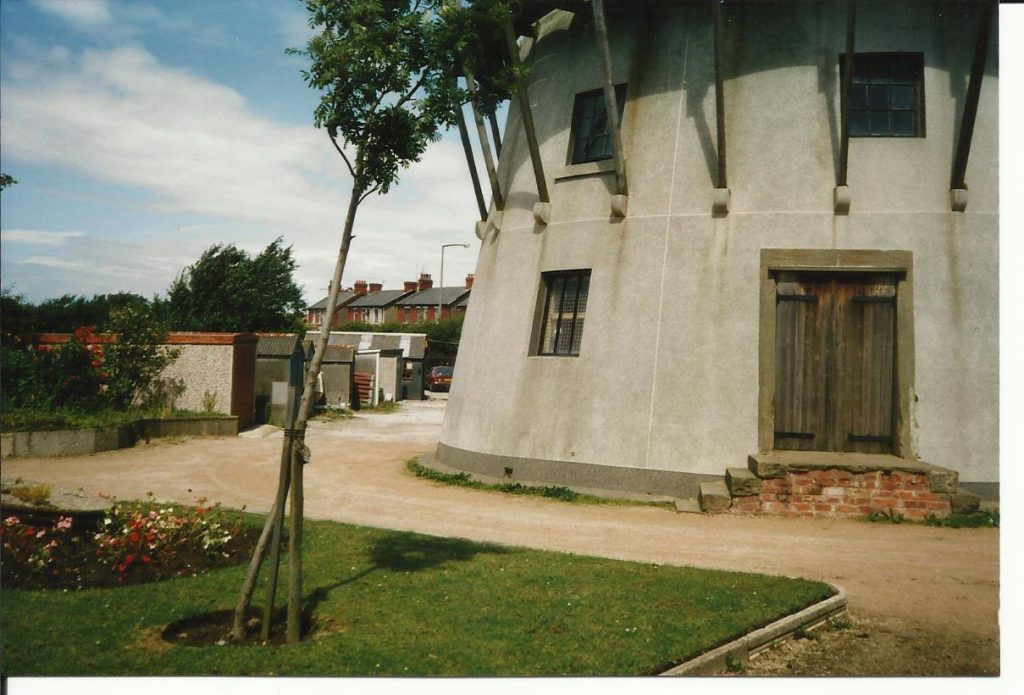
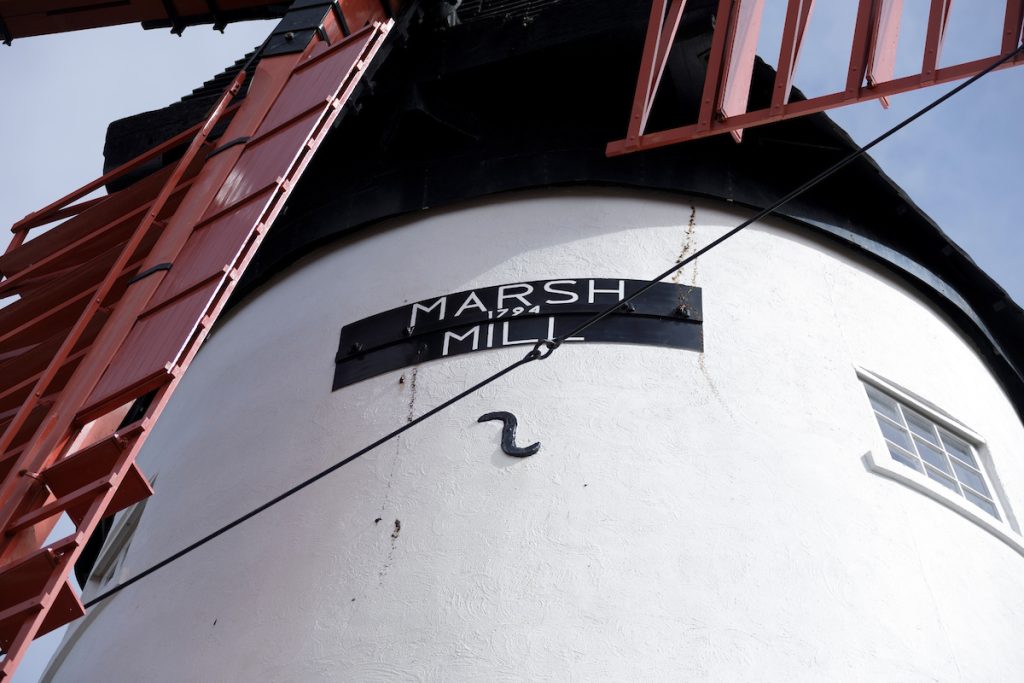
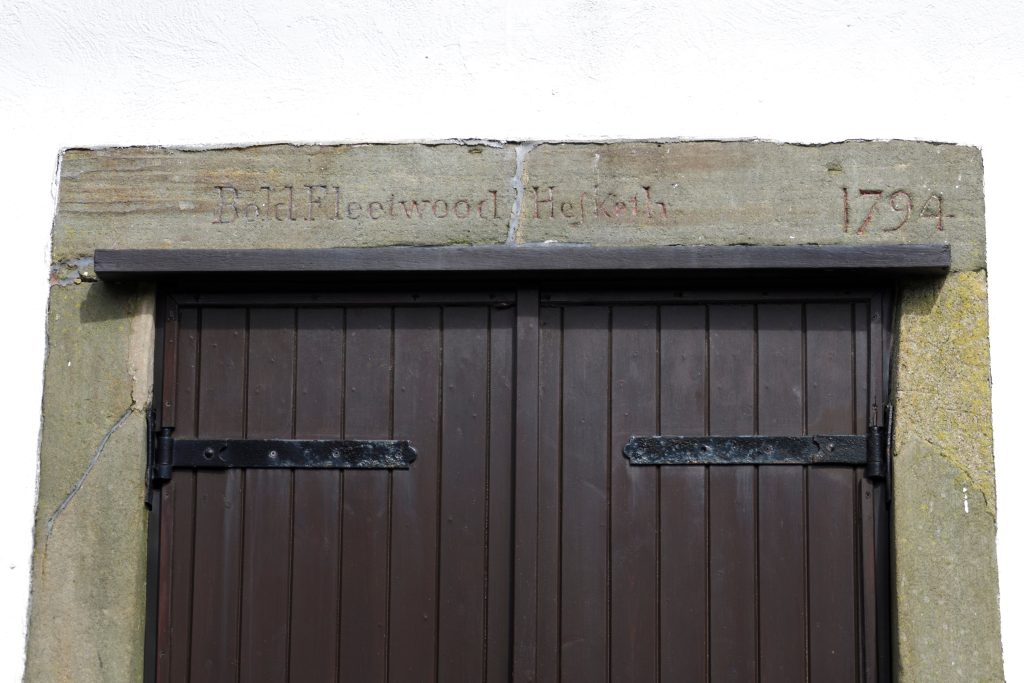
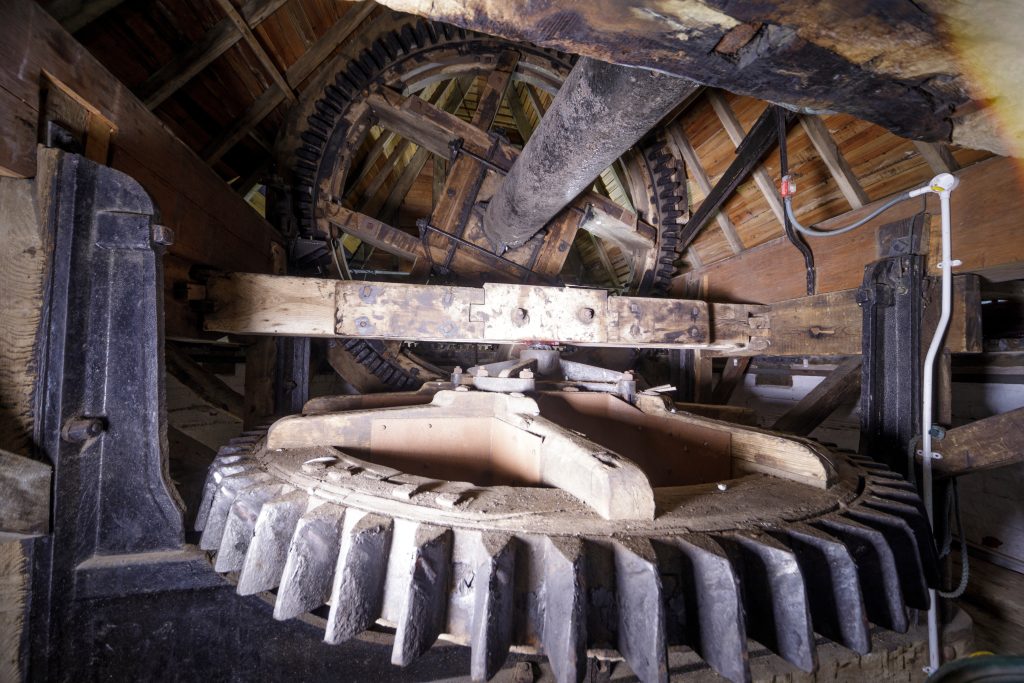
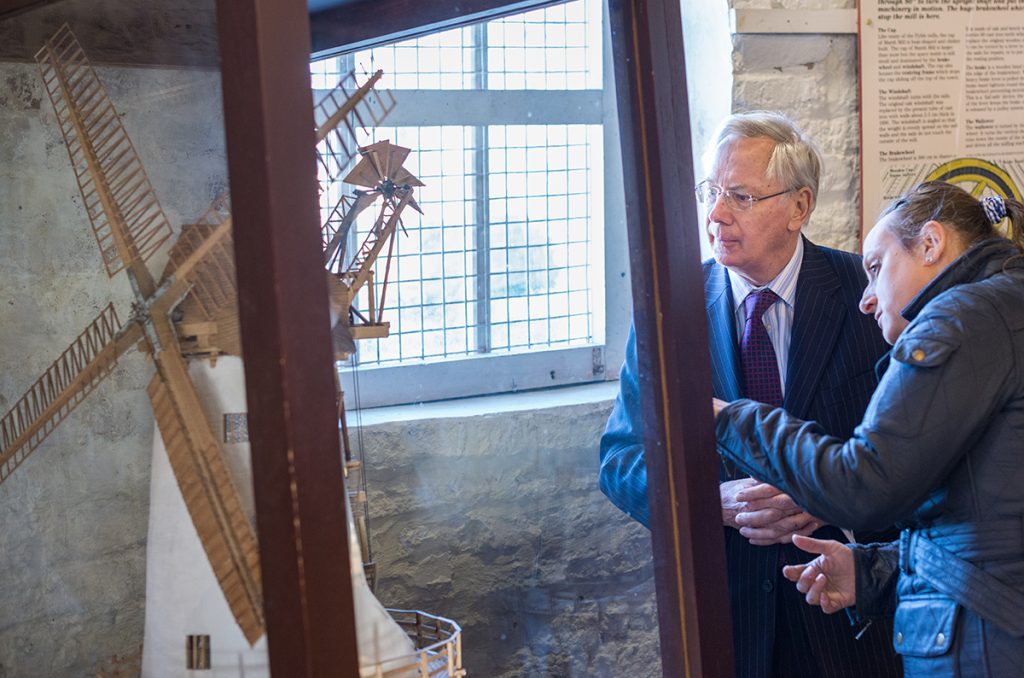
Marsh Mill is built of rendered brick; it is more than 70 feet (21 m) tall and has five storeys. The tower tapers and it has plain square windows. There is a two-storey kiln house attached. The ground floor and first floor are storage areas and have drying rooms.
The second floor is the meal floor; it contains corn-dressing machinery. At the second floor, there is an external wooden stage that encircles the tower and is supported by stone corbels at the first floor level. This staging would have given the miller access to the sails.
The third floor is the stone floor, which contains four sets of millstones. The top floor is the dust floor. Like many Fylde windmills, the tower is topped with a boat-shaped wooden cap. It now has a “Lees Flyer” fantail.
Take an online tour of Marsh Mill
Explore more of our collection connected to Marsh Mill and Thornton
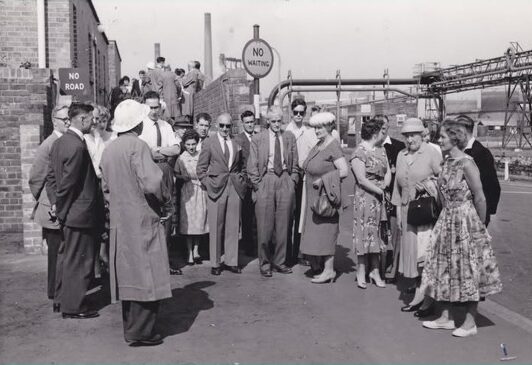
The History of Hillhouse International Business Park
The History of Hillhouse International Business Park

Marsh Mill Windmill Commemorative items
Marsh Mill Windmill Commemorative items
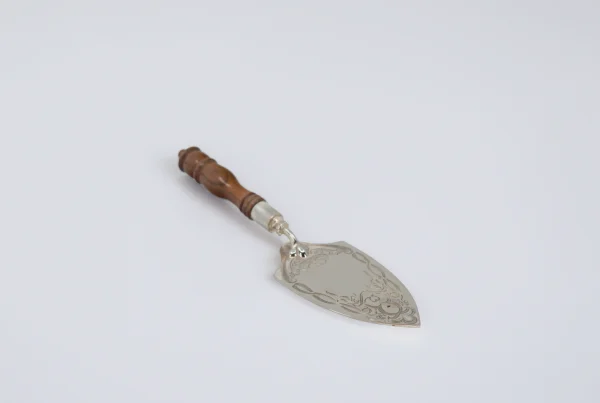
Marsh Mill in Wyre Ceremonial Trowel
Marsh Mill in Wyre Ceremonial Trowel
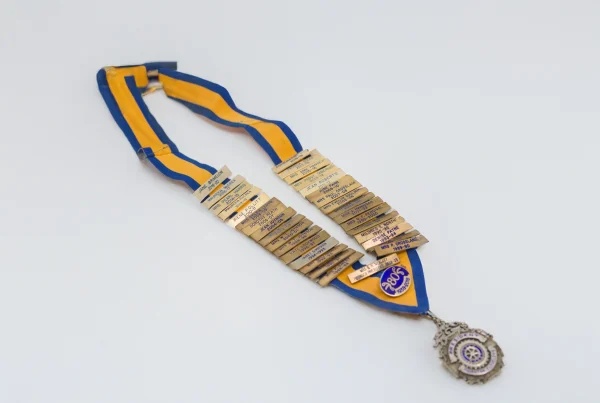
The Regalia and Jewels of the Inner Wheel Club of Thornton Cleveleys – 1938-2021
The Regalia and Jewels of the Inner Wheel Club of Thornton Cleveleys – 1938-2021
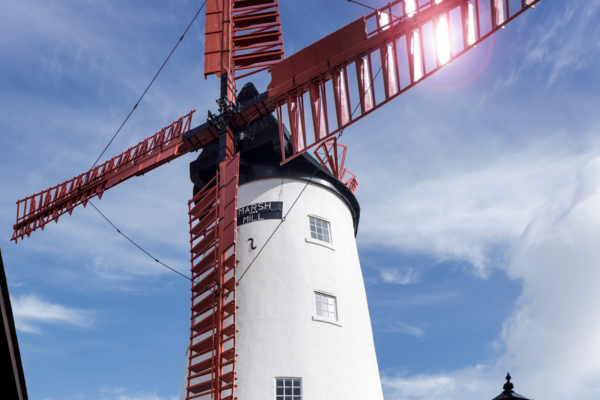
Marsh Mill