
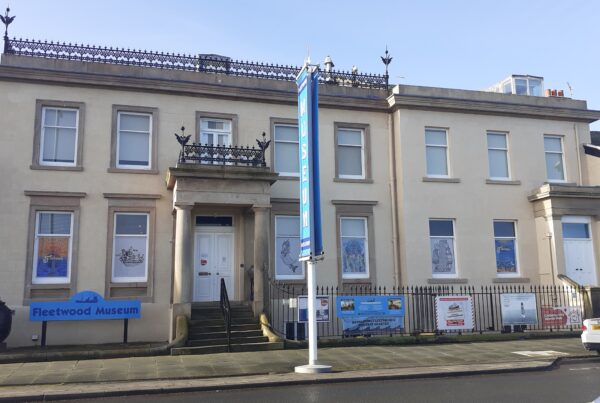
Fleetwood Museum is a local history and maritime museum in Fleetwood. The museum was originally the town’s Customs House and was completed in 1836. It is one of the first buildings constructed in Fleetwood. Like much of the town, it was designed by architect Decimus Burton. The building became the local town hall and is now a maritime museum. It has been designated a Grade II listed building by Historic England.
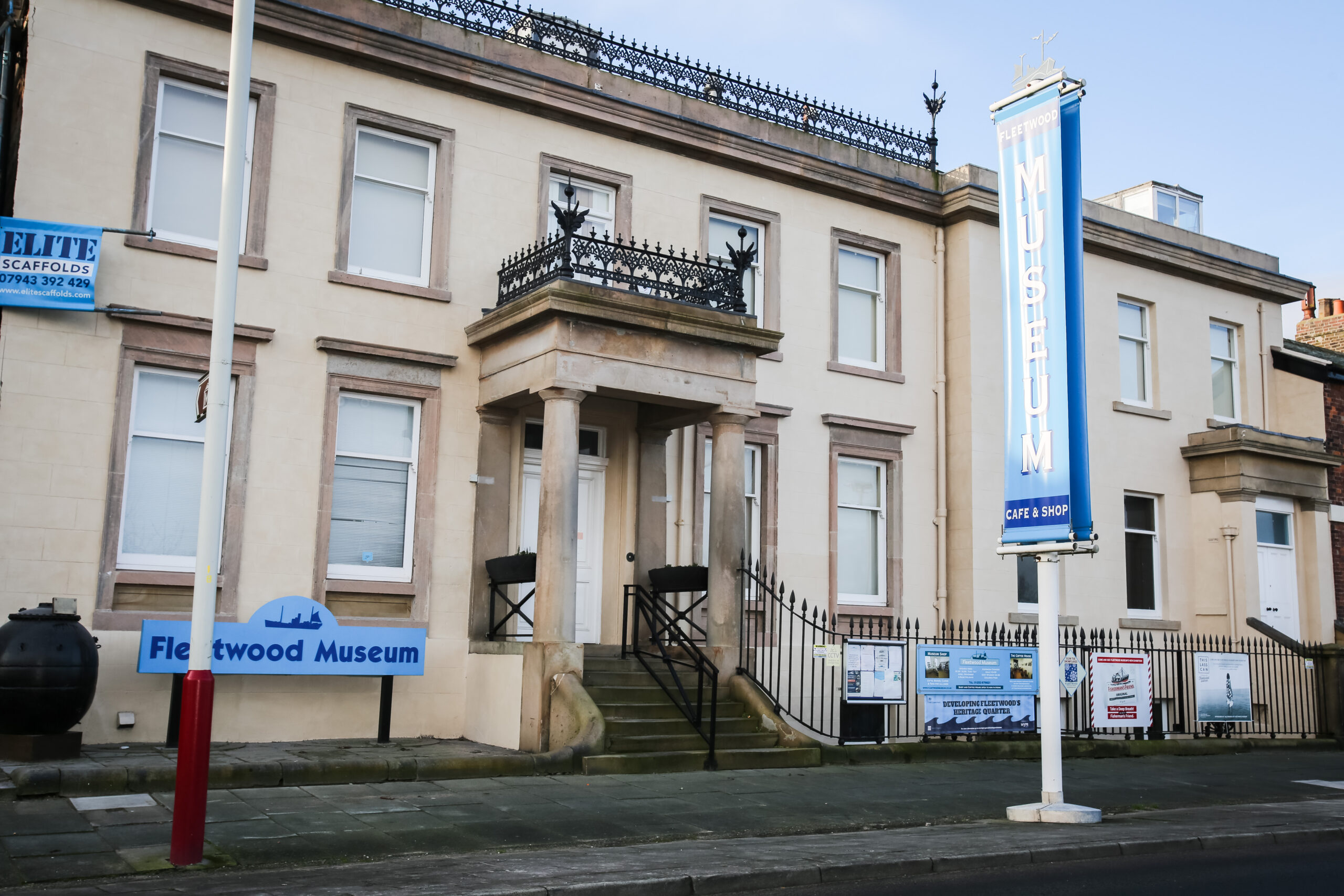
Fleetwood was planned by local landowner Sir Peter Hesketh-Fleetwood, who employed Decimus Burton to lay out the town and design many of the buildings. Sir Peter intended his town to be a major port, and Burton designed the Customs House as one of the first buildings, completed in 1836. In 1876, it became the private residence of Alexander Carson, who extended the building to the north, and named it “Wyre Holm”; the customs offices were transferred to another building on the same terrace. The building became Fleetwood Town Hall in 1889. The building continued to serve as the meeting place of Fleetwood Urban District Council from its formation in 1894, and remained as such after the area was advanced to the status of municipal borough in 1933, but ceased to be the local seat of government after the formation of the enlarged Wyre Borough Council at Poulton-le-Fylde in 1974. It subsequently served as the offices of the Borough Treasurer and the Borough Housing Director of Wyre Borough Council before, for a short time, being occupied by a private school and, in 1992, becoming Fleetwood Museum.
On 31 March 1978, Historic England designated the building Grade II listed. The Grade II designation—is for buildings that are “nationally important and of special interest
Fleetwood Museum is on two storeys. It is built of sandstone, rendered with roughcast lime plaster. The front façade has eight ranges of sash windows. The building is accessed from the front through two porticos. Both entrances are at the top of stone staircases and flanked by columns—the south entrance by round Doric columns and the north entrance by square columns. Between the two staircases there are iron railings with spear-shaped finials.
At the roof line there is a parapet with ornamental iron decoration and corner finials. Below the parapet there is a blocking course and a moulded cornice.
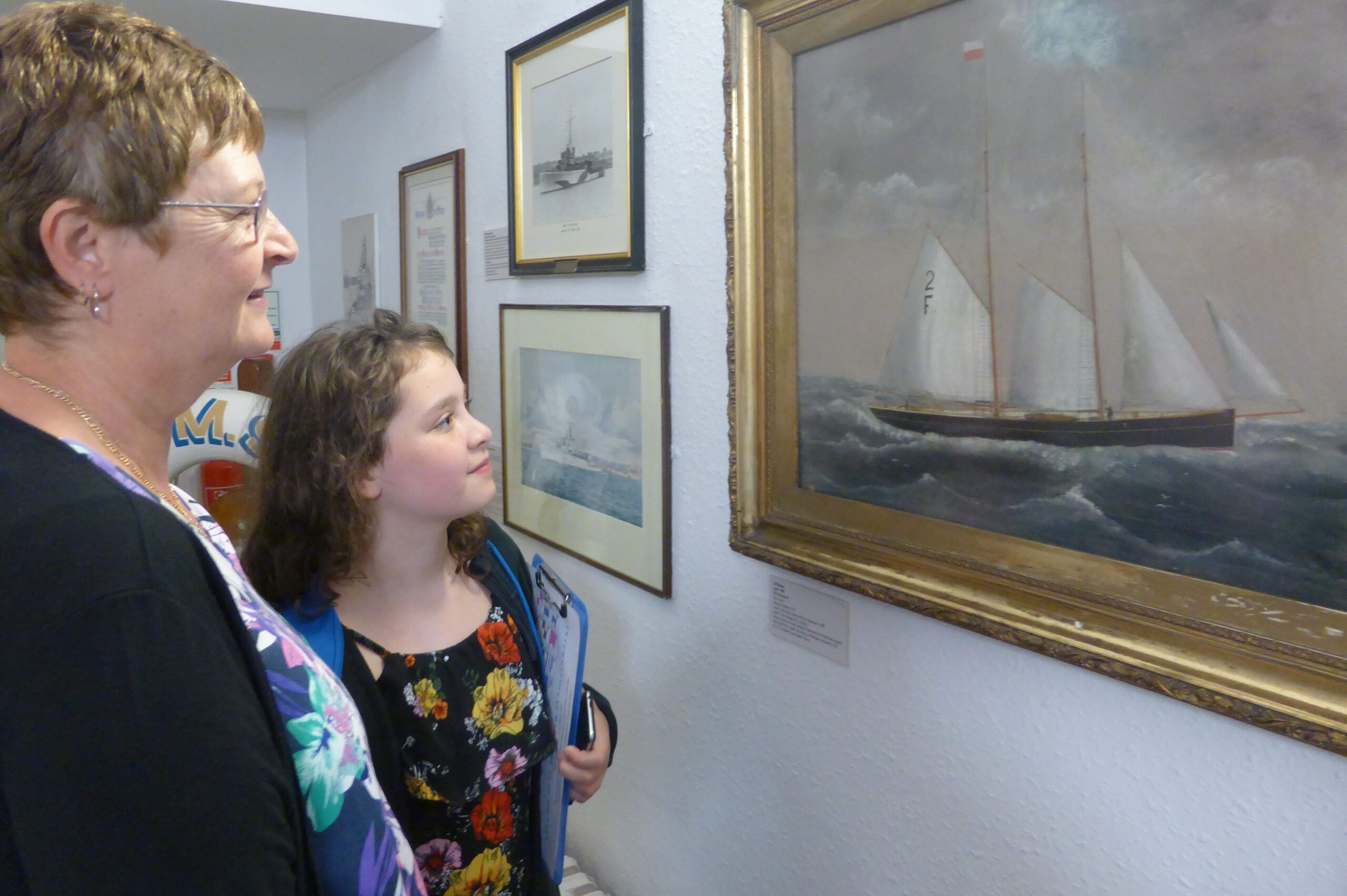
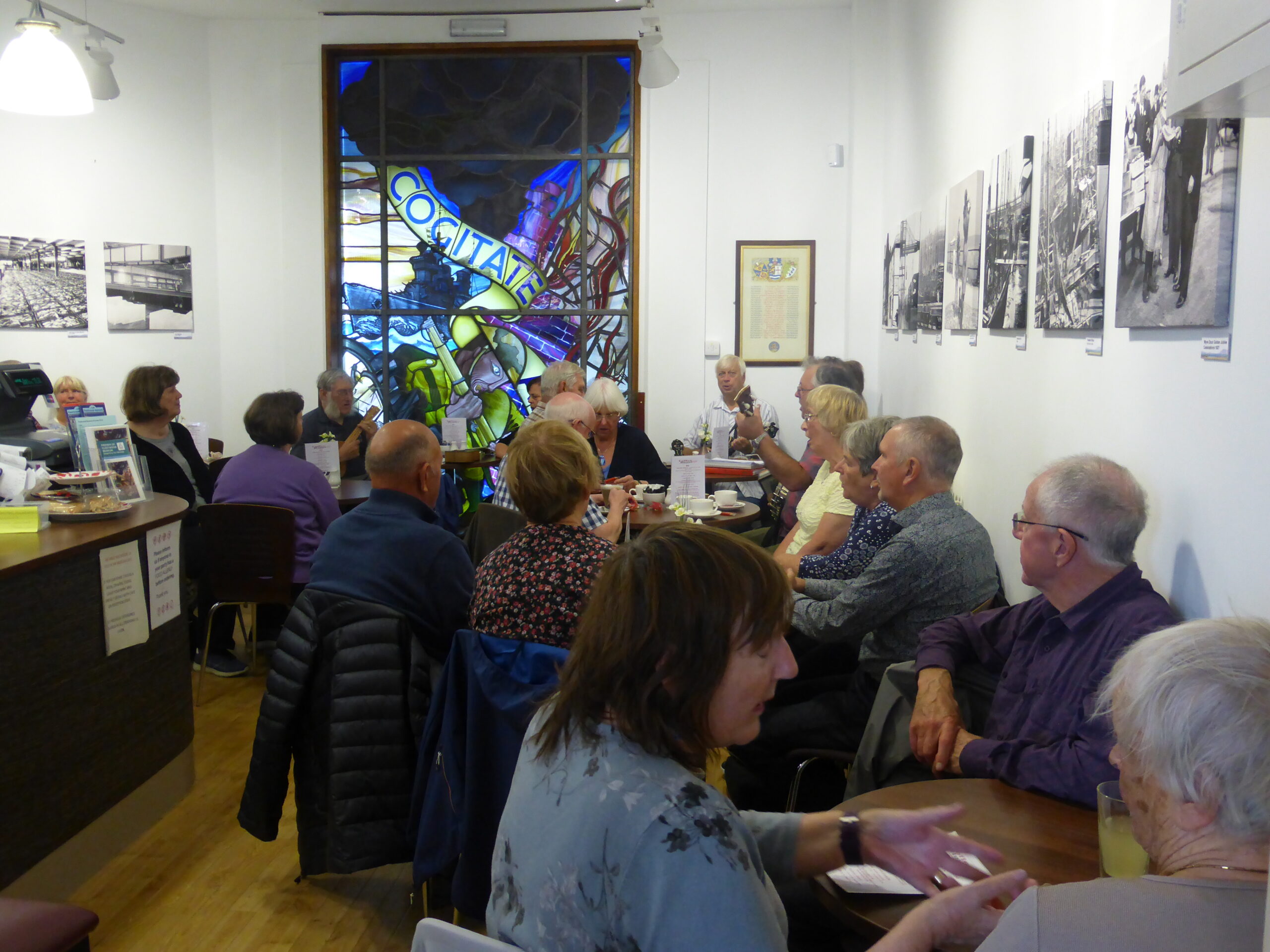
There are a number of locally significant artefacts and exhibitions on display at the Museum including the Story of Fisherman’s Friends, Perils of the Atlantic, Deep Sea Trawling and Fleetwood as a planned Victorian seaside town.
You can also see The Fleetwood Fishing Queen regalia, this event was first introduced in 1934, the annual Fishing Queen served as a cultural ambassador for Fleetwood and its booming deep-sea fishing industry. You can read the story of the Fishing Queen here.
Much like the Cotton Queen traditions in northern industrial mill towns, a young woman was chosen each year to represent the proud identity of the port.
Visitors to Fleetwood Museum can view the original Fishing Queen crown and gown, which is intricately adorned with fish regalia and symbols of the town’s maritime heritage.
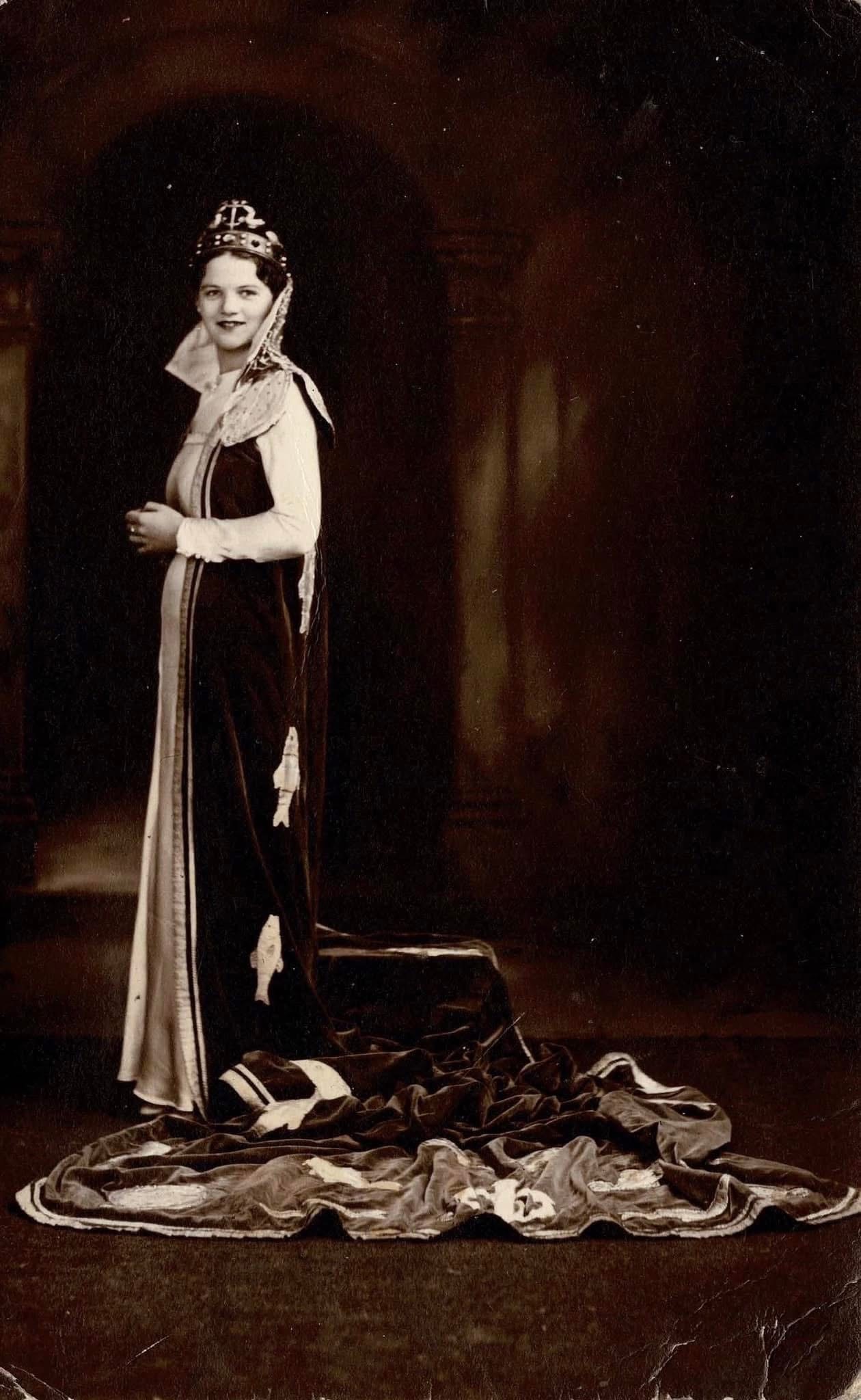
Photo Credit: Fleetwood Museum
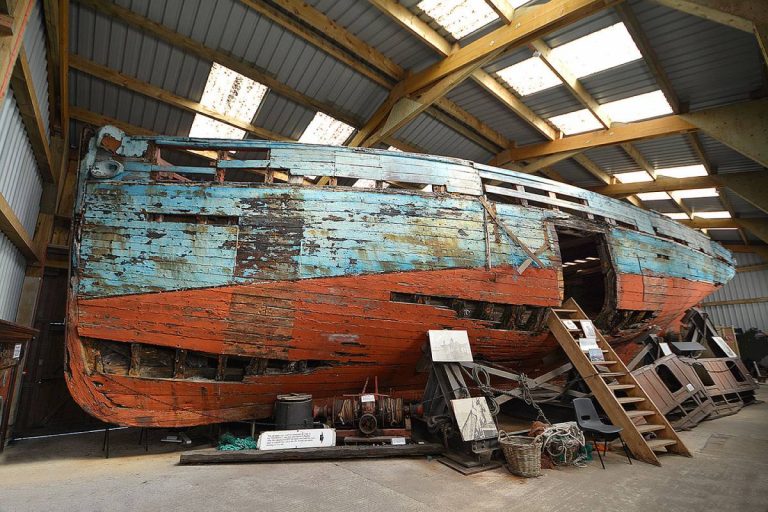
Photo Credit: Fleetwood Museum
The fishing smack Harriet, built in Fleetwood in 1893, was moved to the museum in 1998. It is housed in a purpose-built building behind the main museum building. It is registered as a member of the National Historic Fleet
Harriet is Fleetwood’s last wooden sailing trawler, and one of the last surviving fishing smacks in the UK. For 83 years she served as a trawler working out of Fleetwood. Harriet is of national significance, recognized by her inclusion in the prestigious National Historic Fleet.
Explore more Historic Building and Parks in Wyre
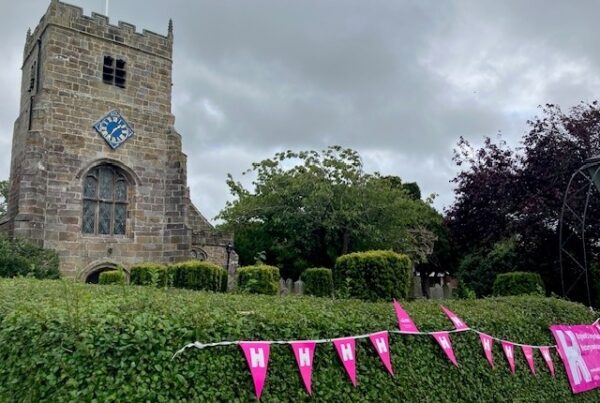
St. Michael’s on Wyre Church
St. Michael’s on Wyre Church
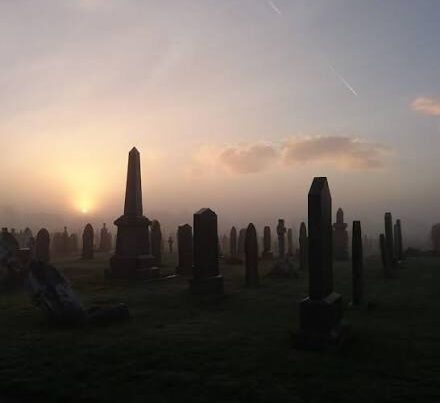
The Cemeteries of Wyre
The Cemeteries of Wyre
Fleetwood Museum
Fleetwood Museum
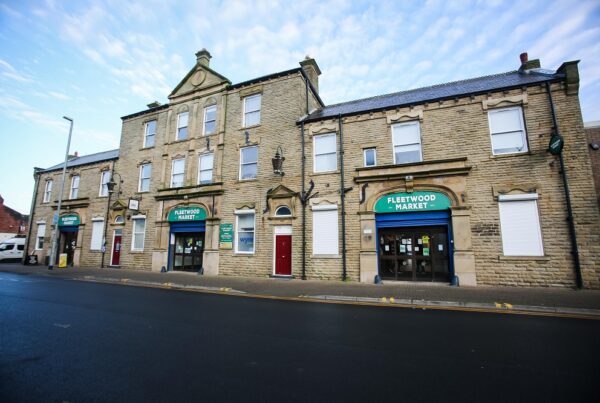
Historic Fleetwood Market
Historic Fleetwood Market
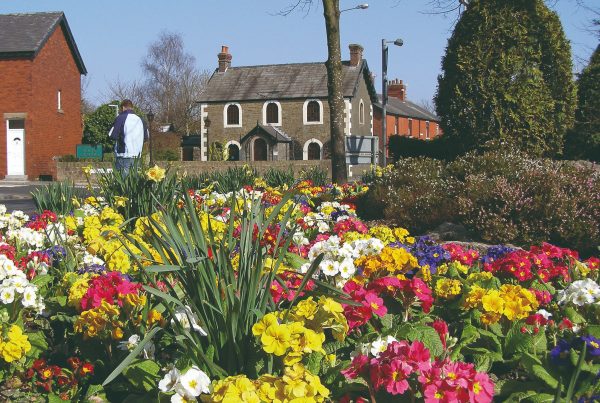
Garstang Arts Centre
Garstang Arts Centre
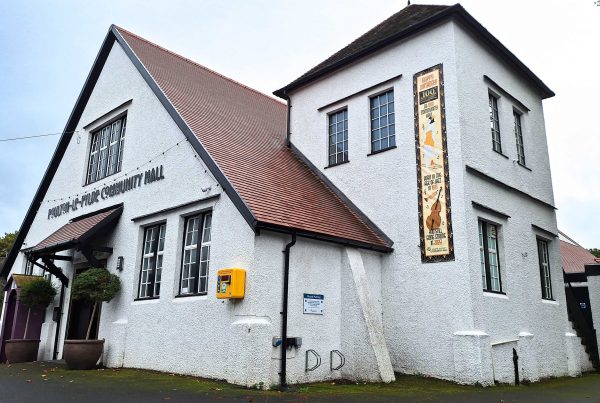
Poulton Community Hall
Poulton Community Hall
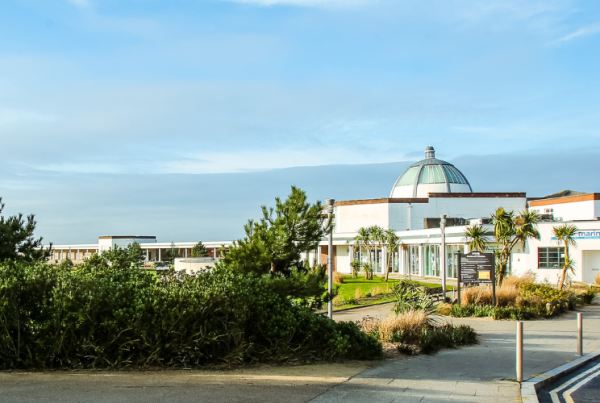
Marine Hall, Fleetwood
Marine Hall, Fleetwood
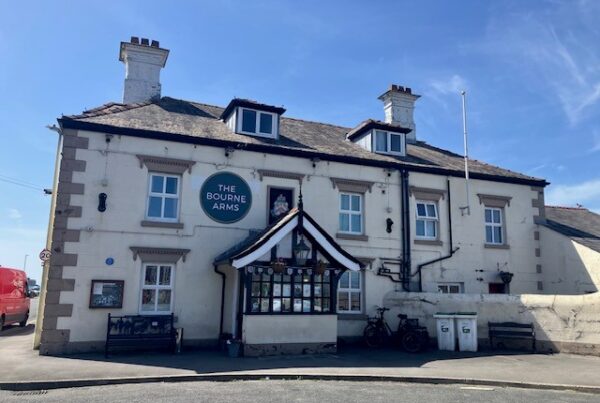
The Bourne Arms, Knott End-on-Sea
The Bourne Arms, Knott End-on-Sea
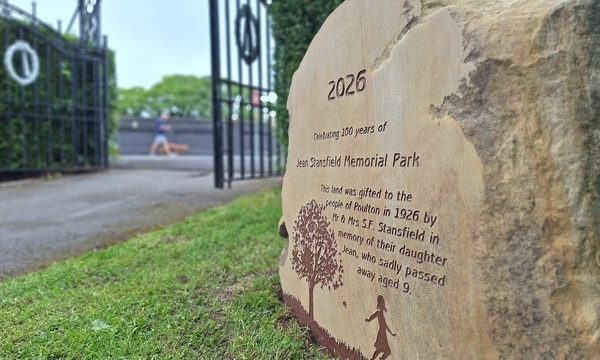
Jean Stansfield Memorial and Vicarage Park
Jean Stansfield Memorial and Vicarage Park
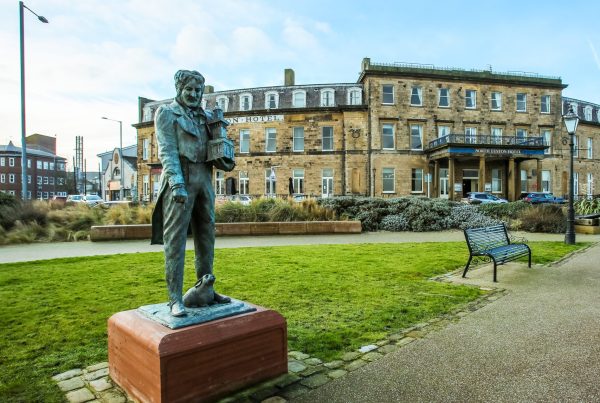
Euston Gardens and Park
Euston Gardens and Park
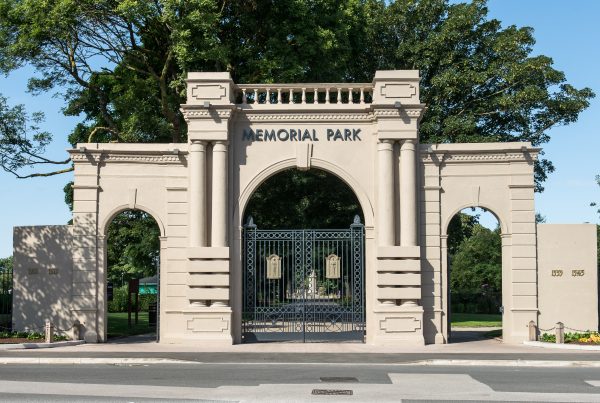
Memorial Park Fleetwood
Memorial Park Fleetwood
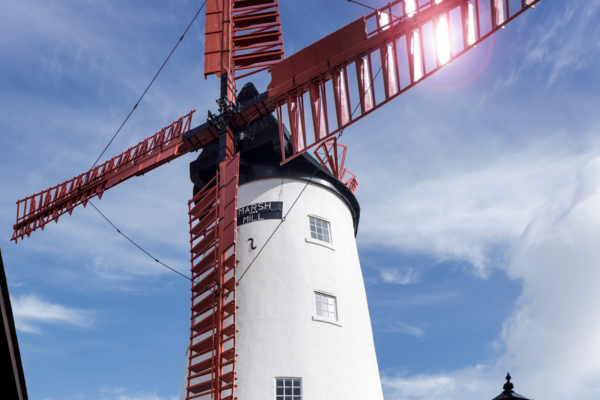
Marsh Mill