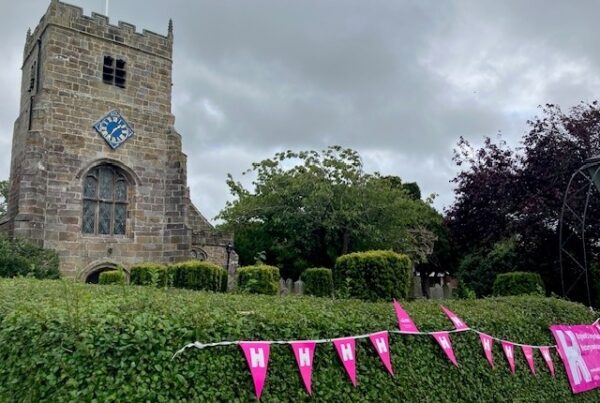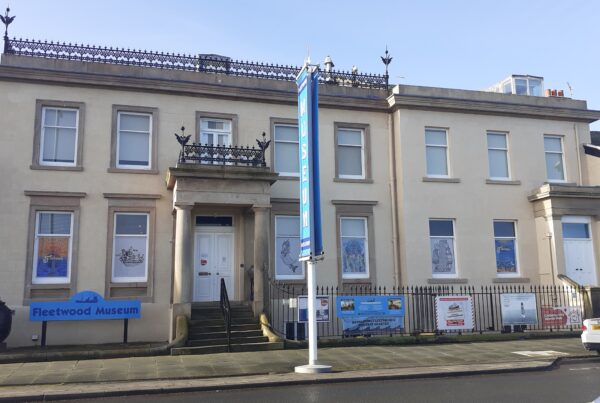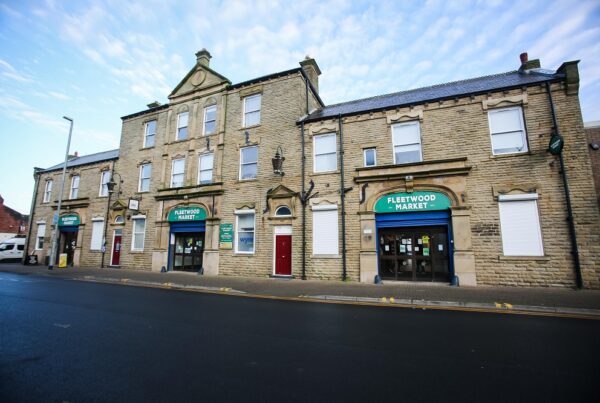
Not all heritage is held in glass cases or kept in archive boxes. Some of it grows in parks, stands in stone, or turns in the wind on a 70-foot tower. This collection celebrates the historic buildings and green spaces of Wyre, places that have shaped the daily lives of local communities for generations, and that continue to do so today.
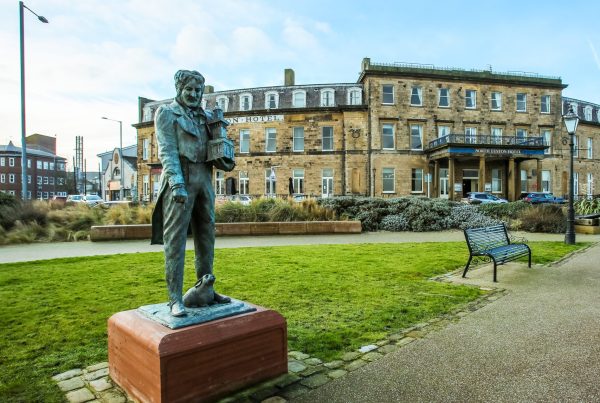
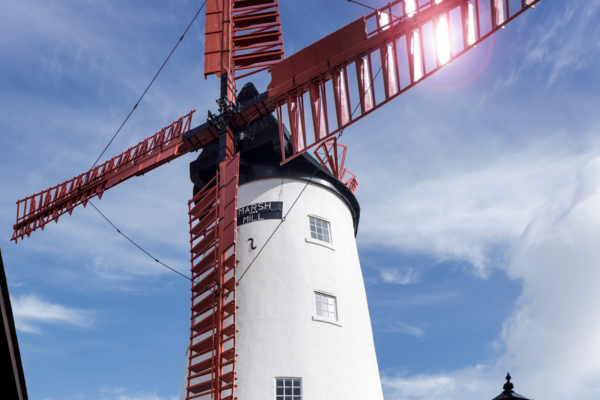
Wyre’s built heritage spans centuries and styles. Marsh Mill in Thornton, a Grade II* listed windmill built in 1794 for local squire Bold Fleetwood Hesketh, is the finest and most complete preserved windmill in the North West of England. Standing at over 70 feet tall with its full set of working machinery intact, it is a remarkable feat of 18th century engineering that ground flour for the people of the Fylde until 1922. And in Fleetwood, Euston Gardens, designed as part of Decimus Burton’s original Victorian town plan in the 1830s, remains one of the most historically significant small parks in the borough, home to monuments, memorials, and the statue of the town’s founding father.
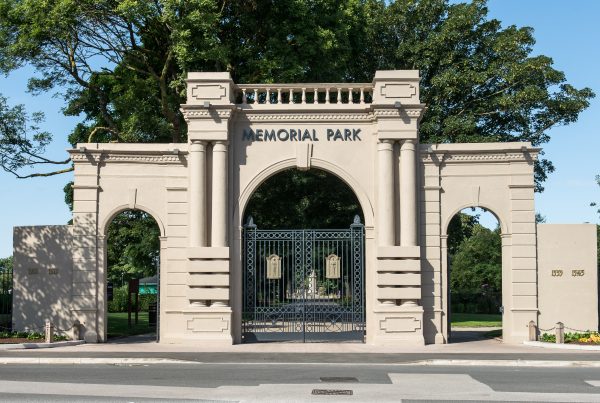
Wyre’s parks carry their own deep histories. Fleetwood’s Memorial Park is one of only four Grade II listed war memorial parks in the entire country. Designed in 1925 by Sir Patrick Abercrombie, who would go on to become the foremost town planner in post-war Britain, its entire 13 hectares were conceived as a living memorial to the fallen of the First World War. Remembrance Avenue, lined with trees each dedicated to a bereaved Fleetwood family, leads to the war memorial sculpted by Herbert Tyson Smith, standing at the heart of a design that remains largely intact a century later.
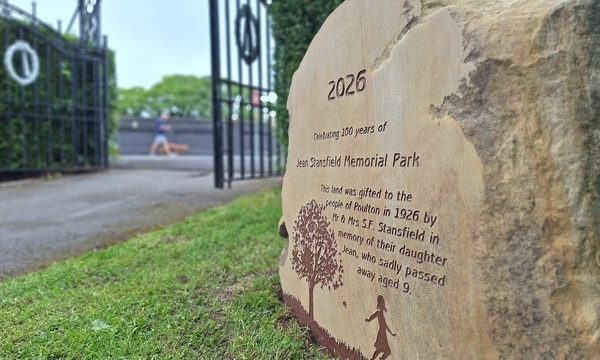
In Poulton-le-Fylde, Jean Stansfield Memorial Park tells a quieter but no less moving story. The park was named in memory of Jean Stansfield, a nine-year-old girl from Poulton who passed away in 1923. In an act of extraordinary generosity, her family purchased land from the church and gifted it to the people of the town in 1926, so that local children would always have somewhere to play. A century on, the park, now proudly holding a Green Flag Award, remains exactly that: a gift to the community, kept alive by the people of Poulton who continue to care for it.
Together, these places remind us that heritage is not only found in the past. It is tended, walked through, and loved, every single day.