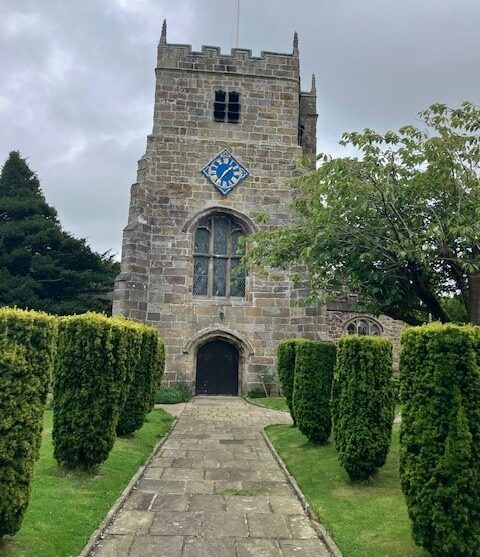
St.Michael’s-on-Wyre is a beautiful, historic village and close knit community. At its heart is the stunning St. Michael’s on Wyre Church situated on the banks of the River Wyre. It was designated Grade I listed status by Historic England (denoting a building of exceptional national interest).This church has stood on this spot for centuries though it has undergone many significant changes. It is even mentioned in the Doomsday book.
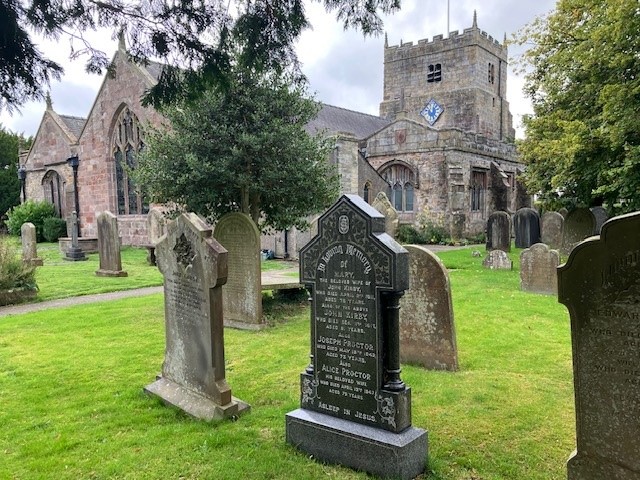
According to tradition Archbishop of York, Paulinus, came to this part of the world in Saxon times and a church was built here c. 640 AD close to a safe crossing point on the nearby River Wyre. Nothing now remains of the original building but tradition has it that the stone base of the sundial in the churchyard was the base of an old Saxon cross. The church was dedicated to St Michael the Archangel and included in it’s Ecclesiastical boundaries – Eglistun (Eccleston), Edelesuuic (Elswick), Inscip (Inskip), Sorbi (Sowerby), Plunton (Woodplumpton) and Rodecliffe (Rawcliffe).
In the Domesday survey of 1086, the church was called Michelescherce and was one of only 3 churches mentioned as being within the Hundred of Amounderness (the others being at Preston and Kirkham). A settlement existed here many centuries before the church was established. The combination of the names of the church and the river was first used in the 12th century and the village has become known as St Michael’s on Wyre.
At this time, the patronage was in the hands of King John and remained in the hands of the Crown until the reign of James I. No fewer than 4 vicars of St Michael’s have held the title of Archdeacon of Lancaster since the position was created in 1870. The rectors and vicars since 1203 can be seen on the board on the south wall of the tower.
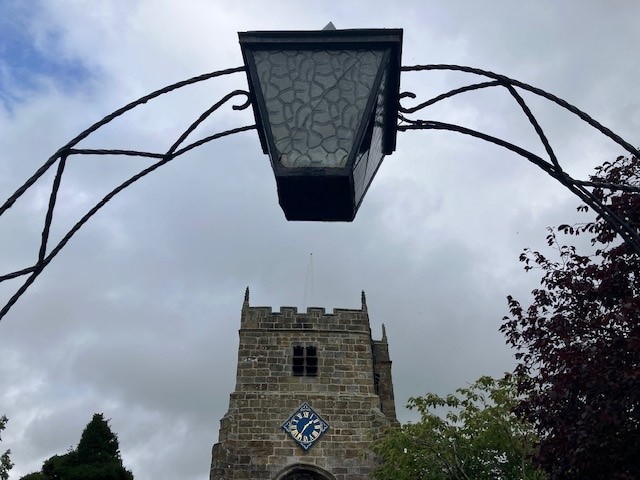
The architecture of the church can be described as being ‘Late Perpendicular’ – having been added to at various times in its existence. The church was reconstructed in the 15th century although parts of the structure date back to the 13th century and possibly earlier.
Much of the masonry of the church consists of rubble with yellow sandstone dressings with areas of red sandstone in the east wall being of a much later date. From the 16th to the 19th century the church was lime washed both inside and out and traces of time can still be found on the outside of the south wall.
The chancel and the nave arcades and part of the north wall are probably 14th century. The Butler chapel, on the north side of the nave, dedicated to St Katharine, was founded c. 1480 AD by John Butler of Rawcliffe Hall. At the east end of the south aisle, where the organ now stands, there existed a further chantry dedicated to the Blessed Virgin Mary and founded by William Kirkby c. 1520 AD. These chantries and a Grammar School which was held in the church, were dissolved at the time of the Reformation. The Butler chapel fell into disrepair and was restored by John France of Rawcliffe Hall in 1797 and again in 1953 following the ravages of deathwatch beetles.
On the parapet of the tower at the north west angle can be seen the arms and initials of Henry Butler and the date 1611 which date can also be seen above the doorway of the south porch. Apart from the addition of the vestry (built before 1825) the church has looked very much same since 1611.
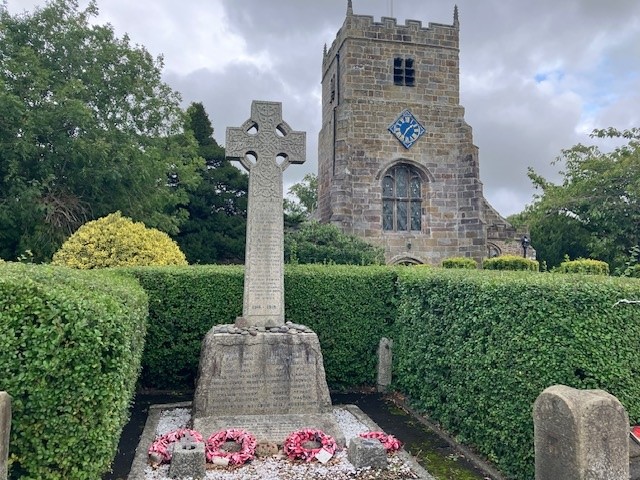
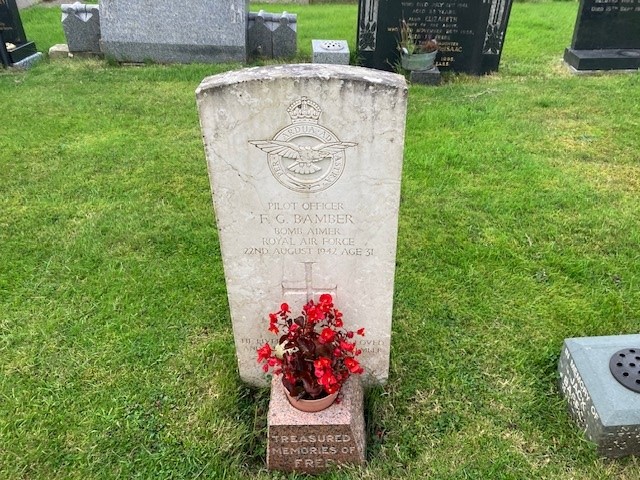
St. Michael’s Church is a designated Commonwealth War Graves Commission (CWGC) site. The Commonwealth War Graves Commission recognises over 12,000 locations in the UK alone—many of which are local parish churchyards containing anywhere from a single grave to dozens.
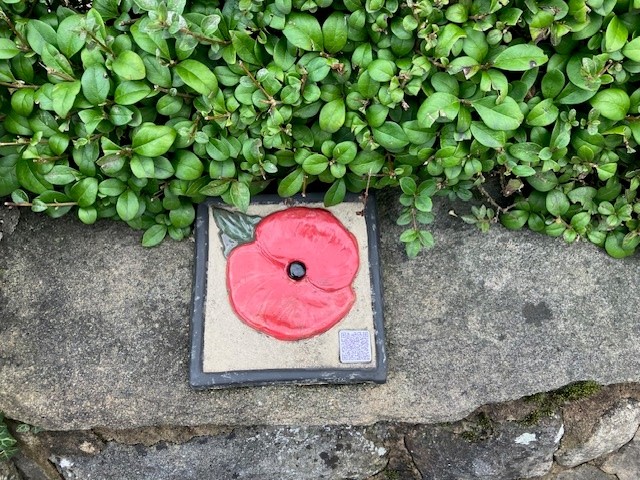
St. Michael’s on Wyre Church is part of the Poppy Trail. You can download a copy of the Garstang Poppy Trail here