Photo Credit: NPL Group
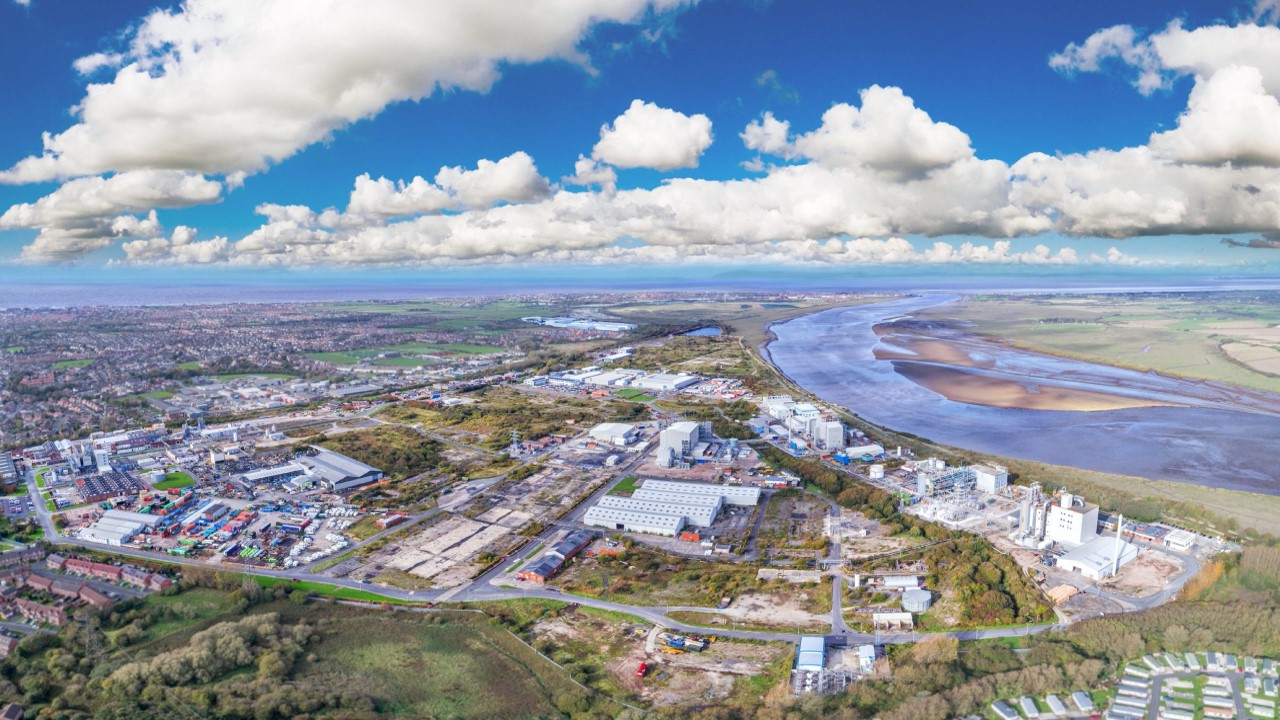
Hillhouse got its name from a small farm that originally stood right at the centre of what is now the site, with records going back as far as 1852.
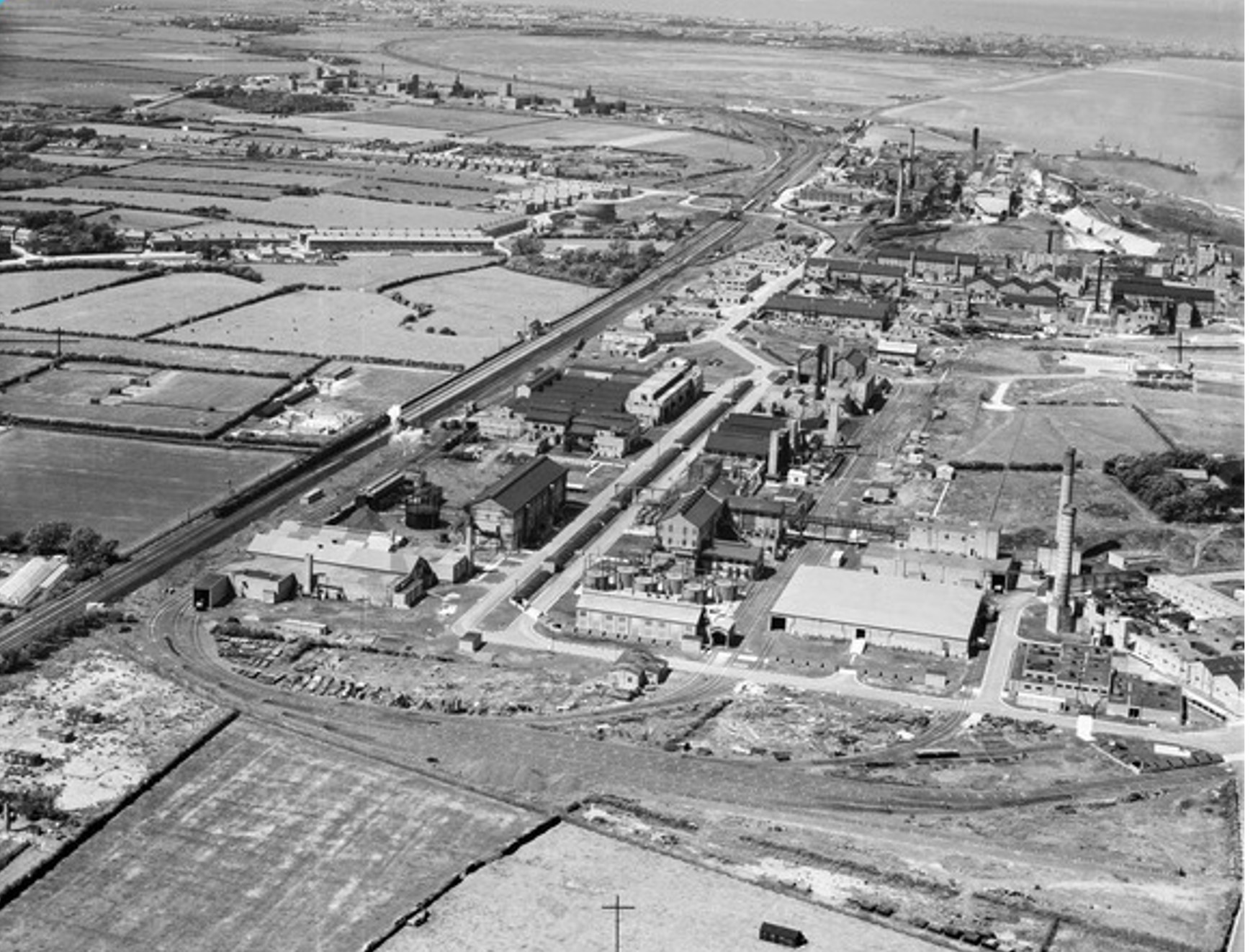
As industry developed, United Alkali took over the area and transformed it into a major hub for soda ash production. Soda ash was a vital ingredient at the time, used in glass making, soap manufacturing, and treating textiles across North East Lancashire.
To keep the plant running, raw materials were brought in from around the region—salt came from Preesall, limestone arrived by boat from Wales, and coal was delivered to fuel the entire operation
It all starts in 1890, with the Fleetwood Salt Company — the business that eventually became part of United Alkali.
By 1893, rock salt mining was underway, and that really laid the groundwork for the chemical industry that followed.
Just a year later, in 1894, soda ash production began. This was the site’s first major industrial activity and the beginning of large scale manufacturing at Hillhouse.
In 1926, the formation of ICI marked a huge shift, bringing Hillhouse into a new era of major chemical production.
And during the Second World War, in 1941, the site adapted once again, playing a crucial role in wartime manufacturing and responding to national needs during a time of crisis.
What this timeline shows is that Hillhouse has always evolved — from raw rock salt in the ground, to a thriving centre of chemical production, and eventually to the advanced manufacturing park we see today
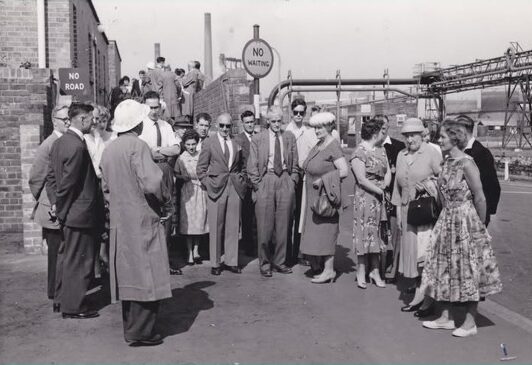
Photo Credit: NPL Group
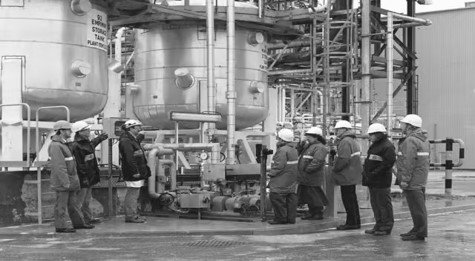
Photo Credit: NPL Group

Photo Credit: NPL Group
By the mid 20th century, Hillhouse had grown into a real powerhouse of industrial activity.
In 1964, ICI brought its General Chemicals and Alkali Divisions together to form what became known as the Mond Division.
A little later, in 1980, the Mond Division expanded further by taking over the Burn Hall plants, which were operating under contract to several ICI business groups — including ICI Polyurethanes.
In 1982, Hillhouse widened its reach again when the Barry site in South Wales joined operations after ICI acquired BP’s business.
And by 1988, these shifts came together with the formation of ICI Chemicals & Polymers Ltd, which later evolved into ICI Regional & Industrial Business.
This whole period marked Hillhouse’s transformation into a major hub supporting multiple ICI business groups — a site driving innovation, capability, and growth across the wider chemical industry
In the early 1990s, ICI made a strategic decision to streamline its global operations. As part of this restructuring, Victrex separated from ICI and became an independent company.
Victrex’s breakthrough came with PEEK — Polyether Ether Ketone — a high performance thermoplastic with some remarkable characteristics. It’s incredibly lightweight, extremely strong, and highly resistant to heat, which makes it ideal for demanding, high temperature environments.
Its first major applications were in the aerospace sector, where reliability is everything, and Victrex quickly established itself as a global leader — even becoming a key supplier for Boeing.
PEEK’s applications expanded into other industries as well, including:
Aerospace: interior components and structural parts.
Automotive: high performance engine and transmission components.
Victrex later moved into the biomaterials sector through Invibio, developing implantable medical-grade polymers used in products such as hip and knee replacements.
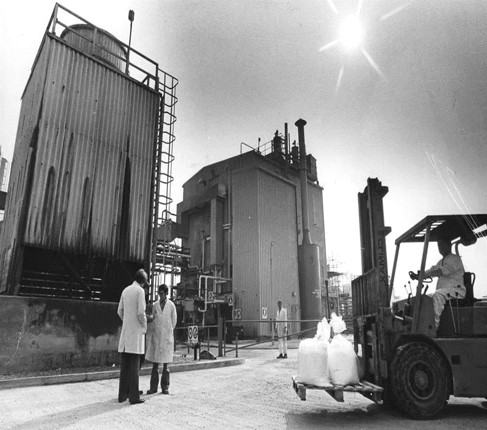
Photo Credit: NPL Group
As we moved into the late 20th century, Hillhouse began to face some significant challenges.
Chlorine production started to decline, largely because new technology at Runcorn made it far more cost effective to shift production there. At the same time, many of the plants at Hillhouse had aged together, and a number of factors influenced the eventual decision to wind operations down.
Business priorities were changing.
Transport was becoming increasingly difficult, especially with such heavy reliance on the rail network.
And of course, the site’s geography — sitting on a peninsula — created natural limitations that made future expansion more difficult.
All of these pressures combined to create a turning point for Hillhouse.
In the 1990s, ICI continued reshaping its business portfolio, and one major step was the sale of the Fluon PTFE business to Asahi Glass. This was part of a wider move toward global integration and collaboration.
PTFE — Polytetrafluoroethylene — is a material known for its outstanding chemical resistance and thermal stability. One of the most iconic examples of its use is the roof of the Millennium Dome, which really demonstrated just how durable and versatile the material can be.
But this era wasn’t only about new partnerships — it also marked the end of a significant chapter here at Hillhouse. The closure of AstraZeneca operations brought to a close a long-standing period of manufacturing on the site, drawing the curtain on another major part of Hillhouse’s industrial story.
Lancashire is ranked number one in the UK for advanced manufacturing — and ninth globally.
The region is home to more than 500 aerospace supply chain companies, creating a powerful ecosystem of innovation, collaboration, and specialist capability.
Combine that with a highly skilled workforce and strong transport and energy infrastructure, and it’s easy to see why Lancashire continues to be a magnet for advanced engineering and technology.”
Hillhouse is not just a site with history — it’s a living hub for innovation, collaboration, and global manufacturing excellence
With thanks to Tom Spencer – NPL Group